
The short answer
At first, it’s often normal. International Cat Care says an anxious new cat may only eat at night in the first few days, and a really anxious one may not eat at all for the first 24 hours. Keep the food they know near their hiding place, then leave the room. Cats Protection says to call your vet if your cat doesn’t eat for over 24 hours, or skips a meal and doesn’t drink. Kittens can’t wait that long.
Is it normal for a new cat not to eat?
For the first day or so, often yes. A move is a big change for a cat, and International Cat Care lists moving house among the things that cause stress. A stressed cat, it says, may lose their appetite, or may still be hungry but not want to eat.
If you’re adopting an adult cat, International Cat Care says they may be quite anxious in the early days. During the first few days, or weeks if they’re especially shy, you may find they only eat and use the litter tray in the middle of the night. A really anxious cat may not even do that for the first 24 hours. The advice is to keep putting down fresh food, keep checking the tray, and speak to your vet if it carries on beyond that.
Battersea says some cats’ appetites dip as they settle, and suggests keeping a close eye on it and speaking to your vet if you’re worried. Cats Protection counts not eating, or only eating overnight, among the signs a cat is struggling to settle, and eating well among the signs they’re settling in. As long as your new cat is eating, drinking and using the litter tray, Cats Protection says, there’s no need to worry.
New cat not eating and hiding
Hiding is how a cat copes with a new place. Cats Protection says many new cats hide for a few hours, some even longer, and it would usually expect a new cat to hide for a few days at most, though each cat is different. The RSPCA says some cats are very scared at first and spend a lot of time hiding, and calls it completely natural cat behaviour.
Don’t try to coax them out. Cats Protection says constant checking can slow down their coming out, and Battersea suggests leaving a hiding cat alone for a while. If you want to be in the room, Cats Protection suggests sitting quietly and talking to them gently.
Food goes near the hiding place, not into it. Cats Protection says to keep food, water and the litter tray nearby, but not directly in or beside the hiding spot. Sliding food behind the sofa may seem like a good idea, it says, but it will more likely cause stress. If your cat is too shy to eat, it suggests moving the bowl closer to their hiding place and leaving the room.
Start with one quiet room
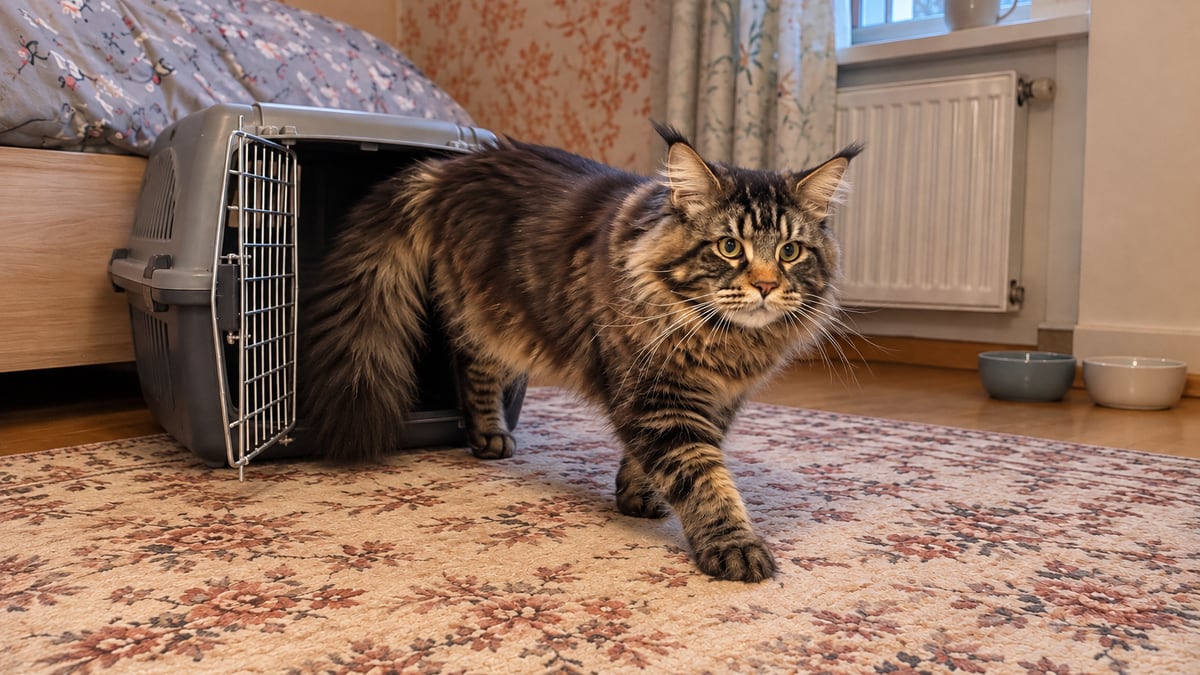
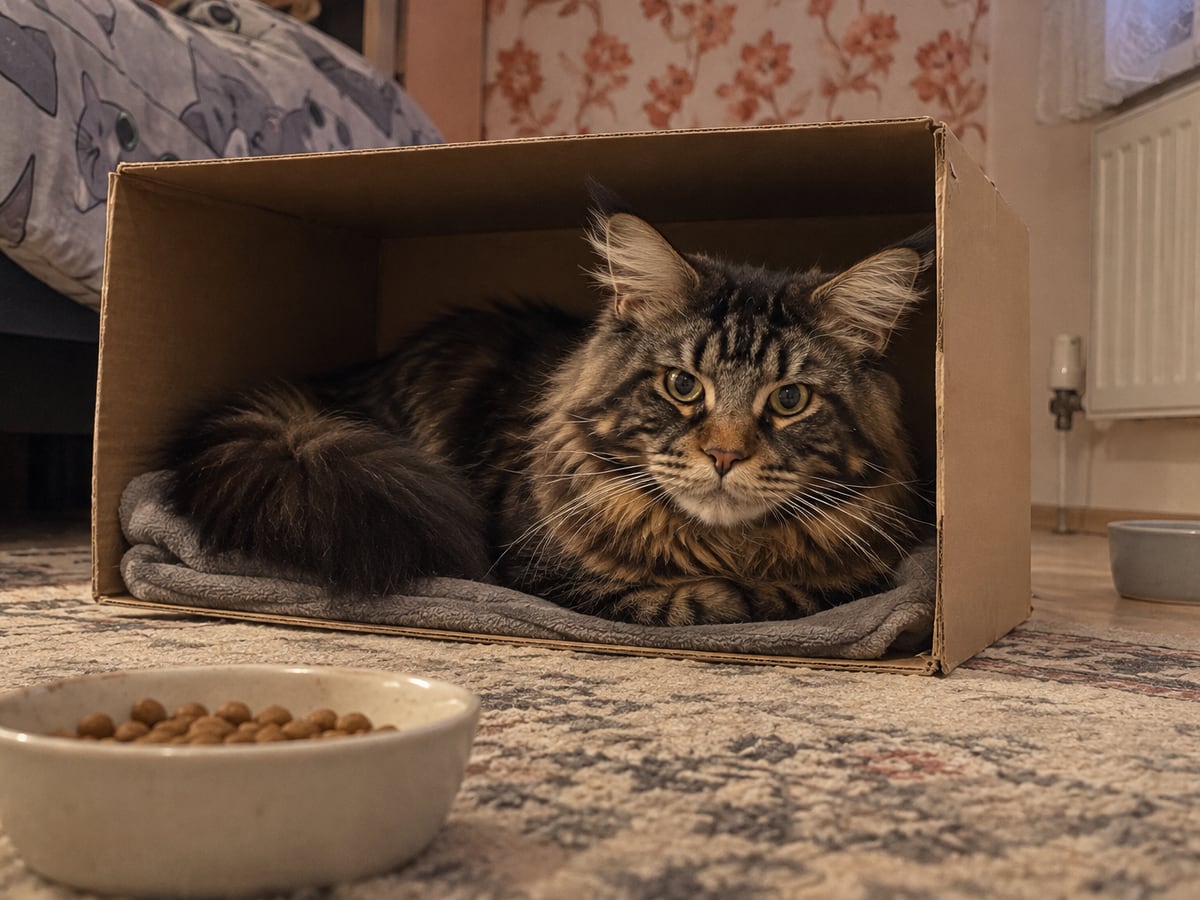
A whole house is a lot at once. Cats Protection suggests a quiet room away from the busy parts of the house, and Battersea calls it your cat’s base. Put the carrier down, open it and let your cat come out in their own time. The RSPCA says some cats take a while to leave the carrier, and that this isn’t anything to worry about.
Then give each thing its own spot. Cats Protection suggests an area for food, a separate one for water, and at least one litter tray as far as possible from both, somewhere private. Battersea says a bit of distance between food and water encourages a cat to drink more, and the RSPCA says cats actually prefer the two kept apart.
The bowls matter too. The RSPCA says cats feel most comfortable with wide, shallow bowls, and suggests avoiding plastic, which can taint the taste of water. International Cat Care says most cats prefer ceramic or stainless steel bowls.
Why won’t my new cat eat? Keep the food they know
Arrival is not the time for a new food. International Cat Care says to feed a new kitten the same food they’ve been used to, because a sudden change on top of the stress of a new home can cause an upset stomach and diarrhoea. The RSPCA tells its adopters the same: carry on with the diet the cat had at the centre.
So ask the shelter, breeder or previous owner what your cat ate, and in what form. International Cat Care says cats often develop food preferences early in life, and even a slightly different shaped dry kibble may put a cat off eating. Cornell Feline Health Center adds that a cat may simply dislike a new food put in front of them.
If your new cat won’t touch the wet food you bought, find out what they had before and offer that. Once they’re eating well, change slowly. The RSPCA suggests doing it over five to seven days, mixing a little of the new food in with the old.
How to help a new cat eat
Start with the basics. International Cat Care says food should be fresh, in a clean bowl, and ideally measured, so you can see how much goes. For a cat who isn’t eating well, it suggests small amounts at regular intervals, for example a tablespoon every two hours, and not leaving large amounts down, which can overwhelm them.
Smell is what gets a cat interested. International Cat Care says warming food to body temperature may help, because it brings out the aroma. It also suggests not putting down a buffet of different foods all at once.
Then step back. International Cat Care advises against hovering close by and watching your cat eat, and against force feeding with a spoon or syringe. Force feeding causes stress, risks food going into the lungs, rarely provides enough calories, and can turn a cat against food. Some cats like company while they eat and others prefer to be alone, so if in doubt, stay well away. When you first sit with them, the RSPCA suggests putting a few treats on the floor and moving away, so your cat feels safe coming to eat them.
Where the bowl sits counts as well. International Cat Care suggests a quiet spot, away from the litter tray, big glass windows and noisy appliances. The RSPCA suggests feeding at around the same times each day, starting from day one.

New cat not eating or drinking
When a cat eats little, water matters more. International Cat Care says cats get much of their daily water from their food, so make sure your cat has easy access to plenty of fresh water.
Some cats prefer a wide, fairly shallow water bowl, where they can drink without their whiskers touching the sides, International Cat Care says. Some experts also recommend putting water away from the food.
Not eating and not drinking together is a reason to call. Cats Protection says a cat becomes dehydrated within 24 hours without water, and lists a cat who has skipped a meal and also not drunk any water among the reasons to call your vet.
New cat not eating or using the litter box
The tray often follows the food bowl. International Cat Care says a new cat may only eat and use the litter tray at night at first. Cats Protection lists only going to the toilet overnight, or holding in pee or poo, among the signs a cat is struggling to settle. The RSPCA says accidents in the house can be common while a cat settles into a new home.
Keep the tray clean, private and well away from the food, and check it regularly so you know what happened overnight. If you’re worried about your cat’s eating, drinking or toileting, Cats Protection says to contact your vet, as it might be a sign of a bigger problem.
New kitten not eating
A kitten in a new home may not show much interest in food at first, and International Cat Care says not to worry about that. Keep them in one room, on the food they already know. International Cat Care suggests splitting the daily amount from the packet into four or five meals, and Cats Protection says kittens should be fed at least four times a day.
But a kitten can’t wait as long as an adult. Cats Protection says kittens become unwell much quicker than most adult cats, and a kitten who hasn’t eaten for 12 to 24 hours, or drunk water for 12, should see a vet as soon as possible, sooner with vomiting or diarrhoea. For a kitten under six weeks old, Cornell Feline Health Center says 12 hours without food can be life-threatening.
Cats Protection suggests registering a kitten with a vet as soon as possible and booking a health check soon after they come home. A young kitten’s health can go downhill quickly, so if yours seems unwell, call your vet straight away.

How long can a new cat go without eating?
Not long. Cats Protection says to call your vet if your cat doesn’t eat for over 24 hours, doesn’t drink for over 24 hours, has skipped a meal and also not drunk any water, has vomiting or diarrhoea while not drinking, is very lethargic or vomiting repeatedly, or eats significantly less than usual. Cornell Feline Health Center says not eating can have a severe impact on an adult cat’s health in as little as 24 hours.
Waiting longer is risky. Cats Protection says going two days without eating can cause serious health problems. After around two to seven days without food, the body starts breaking down fat for energy, and the fat builds up in the liver. That is a dangerous condition called fatty liver syndrome, often seen in overweight cats who stop eating suddenly. International Cat Care says not eating enough for even three days can have significant consequences for a cat.
Some signs are worth a call sooner. International Cat Care says to contact your vet if a cat eats less, becomes choosier about food, or starts eating differently, for example dropping food or chewing on one side, and that loss of appetite can be a sign of illness or pain. Battersea suggests talking to your vet if your cat’s appetite has changed and hasn’t gone back to normal, or if they’re hiding much more than you expected.
What to write down for the vet
A note with times tells a vet more than “she’s not eating”. International Cat Care suggests being specific about the amount eaten and how often, and keeping a food diary: weigh the food before you put it down, weigh what’s left, and the difference is what your cat ate.
For a new cat, add what they ate before they came to you, when they arrived, and whether they’ve drunk and used the tray. Lapka Care is a diary for notes like these, and it puts everything that matters for the vet into one PDF.
What the first three days can look like in a notebook
Friday, 2 pm: Miso arrives from the shelter and goes straight under the bed. Same dry food as at the shelter, 40 g, by the door. Water on the other side of the room.
Saturday, 8 am: 15 g gone overnight. Used the tray once. Still under the bed.
Saturday, 9 pm: ate a few mouthfuls while I sat on the floor with a book. Drank.
Sunday: 35 g eaten over the day. Came out to sniff my hand.
The weights show her eating a little more each day, and the overnight lines show she ate and drank even while she hid. If it had stalled, the vet would see exactly when.
Questions people ask
How long can a new cat go without eating?
Cats Protection says to call your vet if a cat doesn’t eat for over 24 hours, or skips a meal and also doesn’t drink. International Cat Care says a really anxious new cat may not eat at all in the first 24 hours, but if it goes on beyond that, speak to your vet. For a kitten, Cats Protection’s limit is 12 to 24 hours without food.
Is it normal for a new cat to only eat at night?
In the first few days, yes. International Cat Care says a new cat may only eat and use the litter tray in the middle of the night, for weeks if they’re especially shy. Keep putting down fresh food and checking the tray. Cats Protection says some cats take longer to settle, but you should still see small steps forward.
Why won’t my new cat eat wet food?
Often because it’s new to them. International Cat Care says cats often develop food preferences early, and Cornell Feline Health Center says a cat may dislike a new food. Ask what they ate before and offer that. Switch later, slowly: the RSPCA suggests over five to seven days.
My new cat is not eating much but acting normal. Should I worry?
Battersea says some cats’ appetites dip as they settle, so keep a close eye on it. If they’re drinking, using the tray and eating a little more each day, that’s progress. Cats Protection lists eating significantly less than usual among the reasons to call your vet, and Battersea says to talk to your vet if their appetite hasn’t gone back to normal.
Should I force my new cat to eat?
No. International Cat Care says force or syringe feeding causes stress, risks the cat inhaling food, rarely provides enough calories, and can turn a cat against food. Put the food where it’s easy to reach, then leave the room. If your cat still isn’t eating, that’s a question for your vet.
Can I give my new cat milk to tempt them?
Best not. The RSPCA says no milk for cats, and International Cat Care says cat milks are not generally recommended, because they aren’t a balanced food and can cause stomach upsets. Fresh water and their usual food are what they need.
Sources
- International Cat Care — Helping your new cat or kitten settle in
- International Cat Care — Managing the cat that won’t eat (PDF)
- Cats Protection — Bringing a cat home
- Cats Protection — Cats hiding
- Cats Protection — How long can cats go without food?
- Cats Protection — Bringing a new kitten home
- Battersea — Settling your cat into a new home
- RSPCA — Getting ready for your RSPCA rescue cat (PDF)
- Cornell Feline Health Center — Anorexia