
Where to start
Most cats don’t need it: they keep their claws at a good length by scratching. Trim only claws that are too long, which catch on carpets or tap on hard floors. First spend a few days getting your cat used to having their paws touched. Then, on your lap in good light, press a toe gently and clip just the white tip, away from the pink quick. One paw, a treat, and stop. Never force it: your vet can trim them.
Do you need to trim cat nails?
Often you don’t. International Cat Care says most cats don’t need their claws trimmed, because they keep them at a good length through scratching. Cats Protection says that if you have a young, active cat, it’s unlikely you’ll need to trim their claws at all, as long as they have plenty of places to scratch.
Trimming as a routine isn’t a good idea either. International Cat Care says cats need healthy, sharp claws for climbing, hunting, playing and defence. PDSA’s vets put it simply: trim your cat’s claws only if they are too long, not because they are sharp.
So should you trim cat nails? When they need it. Cats Protection says older cats, or cats with mobility problems like arthritis, may not be able to keep on top of their claws, and then you might need to help by trimming the ends. PDSA adds that indoor cats can be more at risk of long claws too.
How to tell your cat’s nails are too long
Look and listen. Cats Protection and International Cat Care give the same signs: the claws catch on blankets, bedding or carpets; you can see them clearly while your cat is resting; your cat struggles to scratch or to pull them back in; and you hear them tap on hard floors such as laminate or tile.
A resting cat’s claws normally stay out of sight. PDSA explains that a cat’s front claws are retractable, so when your cat is resting you’re unlikely to see them at all.
Leaving them is what hurts. International Cat Care says overgrown claws can catch in soft furnishings or even grow into the pads, which can be very painful and lead to infection if not dealt with quickly.
How often to trim cat nails
There’s no timetable that fits every cat, because many never need a trim. Trim when you notice the signs above.
For older cats, Cats Protection gives a number: as part of their grooming routine, consider trimming the claws every two to four weeks. Older cats can find scratching hard, it says, so their claws may become thicker and longer.
Expect a little extra scratching afterwards. PDSA says that once the claws are trimmed, your cat will want to sharpen them again, so be ready for more scratching, sometimes in new places.
Scratching posts mean fewer trims. PDSA suggests a scratching post or three, since some cats like upright posts and others prefer flat ones, and keeping your cat active and slim so they wear the tips down themselves.
What you need before you start
Clippers made for cats. Cats Protection says you can buy clippers made specially for cat claws from most pet shops. Leave your own nail clippers and scissors in the drawer: PDSA says they are likely to squash the claws and make them split, and Cats Protection says a split claw is painful for your cat.
Treats, good light and a closed room. Cats Protection says to have the clippers and treats ready before you start, and to close doors and windows so your cat can’t escape. International Cat Care says to make sure you have good light before you begin.
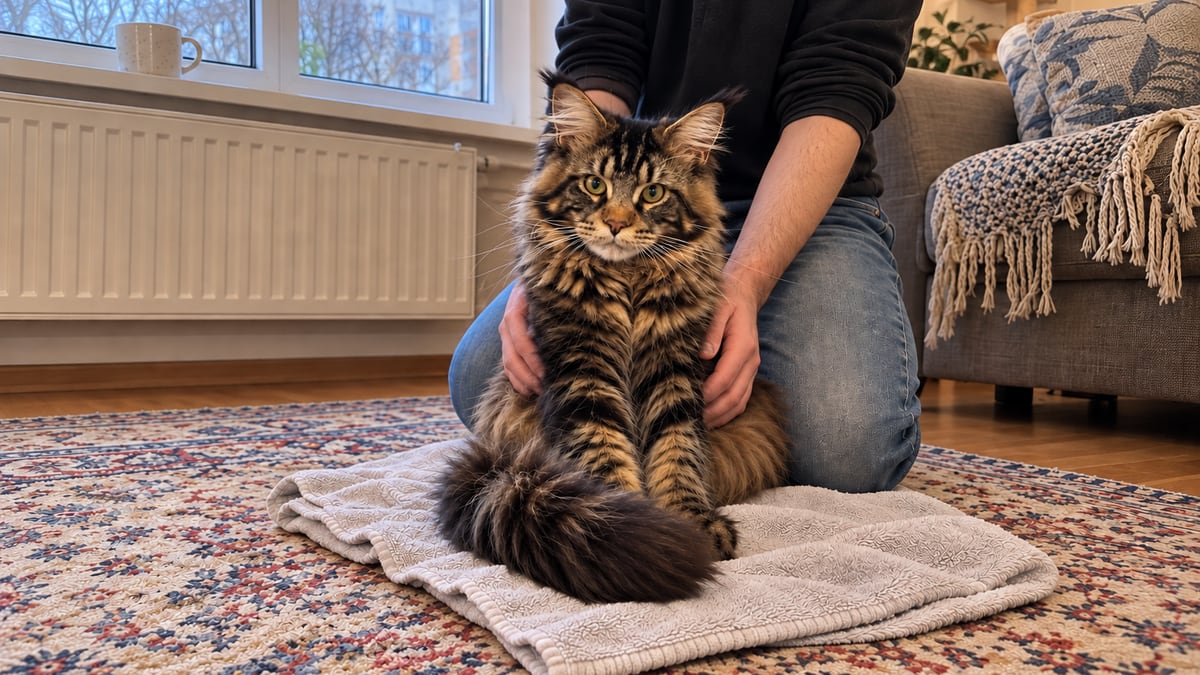
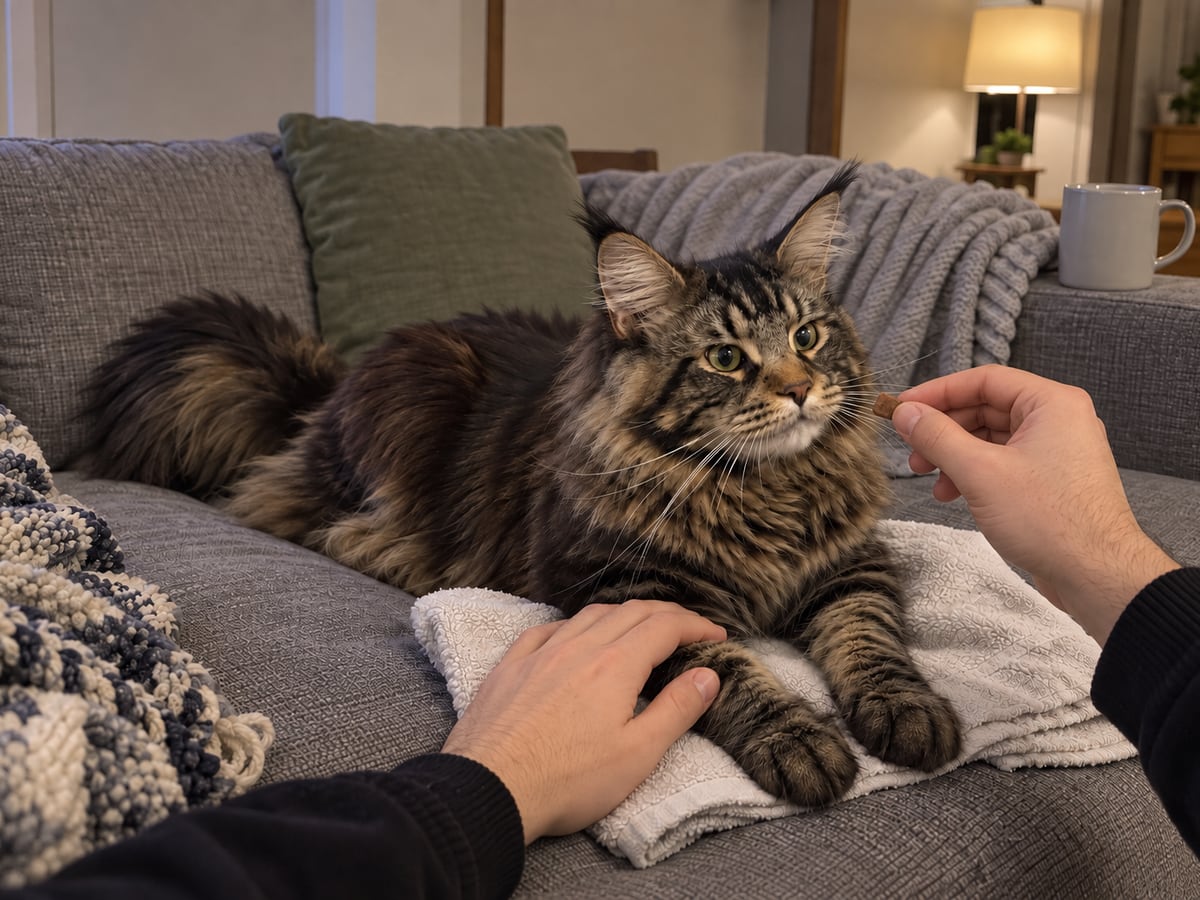
Somewhere soft. Cats Protection suggests putting a blanket or towel down. PDSA suggests a few cushions next to the chair, so your cat has a soft place to land if they decide to jump down.
How to get your cat used to nail trimming
Start a few days before the clippers come out. PDSA’s vets suggest a good few days of getting your cat used to having their paws touched: touch the paws gently and give a treat if your cat stays calm, and stop if they start to look uncomfortable or stressed.
Make it predictable. Cats Protection’s handling training uses a special mat or towel that comes out only for practice, and the same word every time, such as “touch”. Touch a spot your cat likes, such as the side of the neck, for one second, then give a treat straight away. Move gradually towards places your cat is less keen on, which here means the paws, and build up from one second to two or three. Keep each session to two minutes at most.
Introduce the clippers as well. PDSA says to let your cat sniff and investigate them if they’re interested, and to give a tasty reward.
If your cat tenses up, you went too fast. Cats Protection says to go back a step, to make sure your cat can always move away, and never to restrain them.
How to trim cat nails, step by step
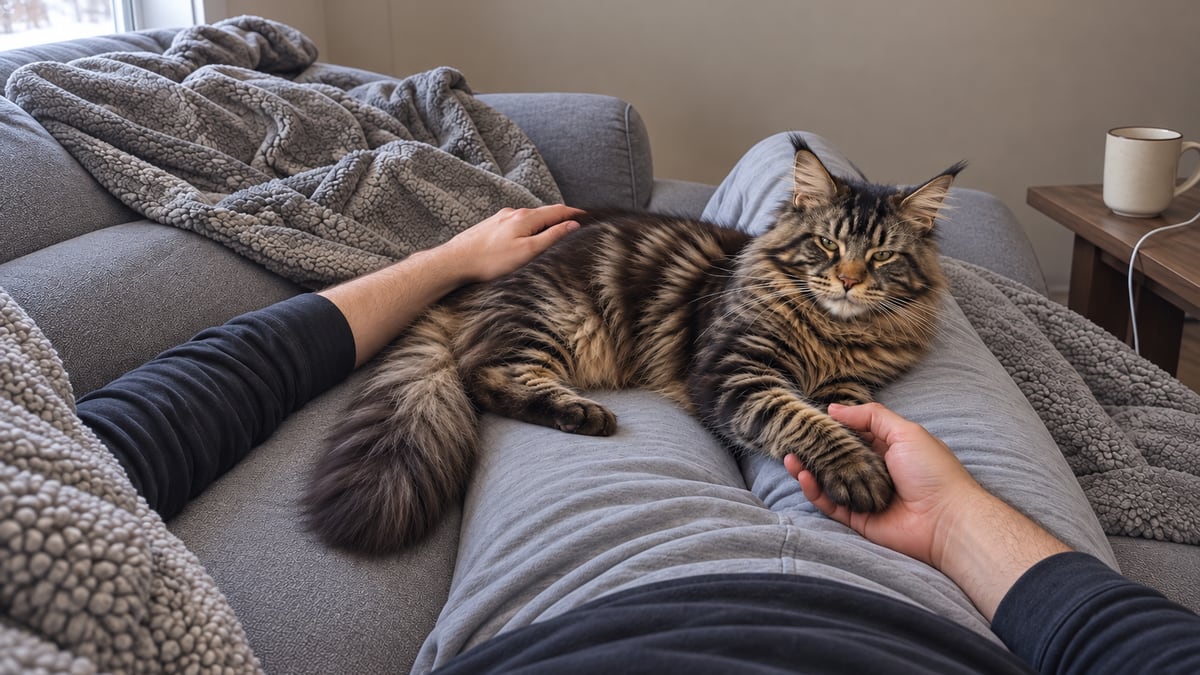
Pick a calm moment. PDSA says clipping is easier for you, and a much more positive experience for your cat, when your cat is calm. International Cat Care suggests a time when your cat is relaxing on your lap.
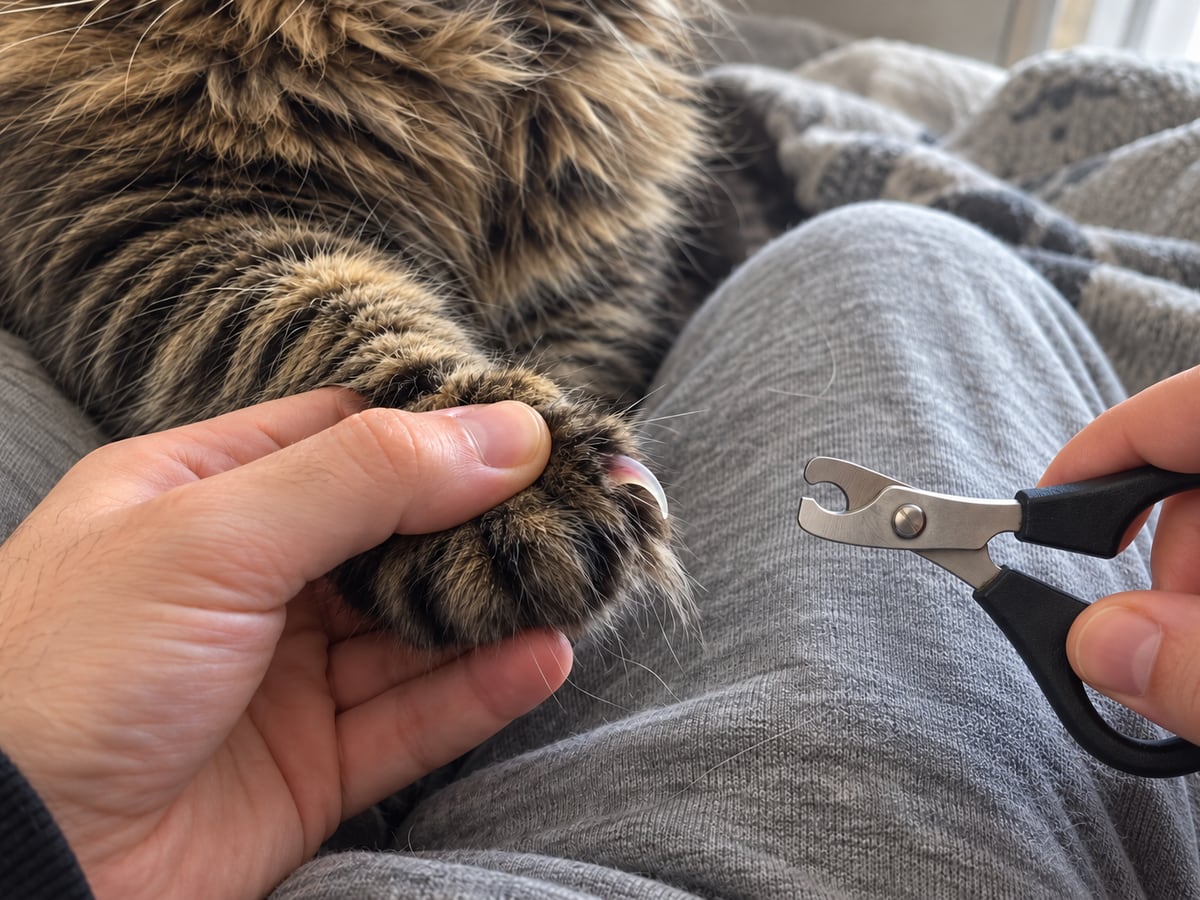
Hold one paw gently between your finger and thumb, Cats Protection says, and press very gently until the claws show. Don’t squeeze. International Cat Care describes pressing the top of each toe to push the claw out.
Clip the very tip. Cats Protection says to keep to the white part at the very tip and not to cut too short, and International Cat Care says to snip off just the transparent tip.
Remember the dew claws on the front paws, PDSA says. Most cats have eighteen claws in all: five on each front foot and four on each back foot.
Stop after one paw. Cats Protection says it’s best to stop once you’ve done one paw, so your cat doesn’t get too stressed in one go. Give a treat or play their favourite game, or let them slip off and be by themselves for a while, if that’s what they’d rather do.
How to trim cat nails without hurting them
Keep away from the quick. PDSA says the quick is the part inside the claw that holds blood vessels and nerves, and it’s red or pink, so it should be easy to see. Cats Protection says cutting it is very painful for your cat and will make them bleed.
How much to take off: PDSA’s clipping guide says to cut a couple of millimetres away from the quick, and its vets’ Q&A says about 3 to 4 mm below it. Cats Protection’s rule is the simplest one to remember: don’t cut too short.
If a claw does bleed, PDSA says not to panic. Dip it in cornflour to help it clot, or hold some cotton wool around it until the bleeding stops. PDSA’s vets say this is very rare, because the quick is usually obvious, and that if you do see blood you should stop and call your vet for advice.
How to trim cat nails alone
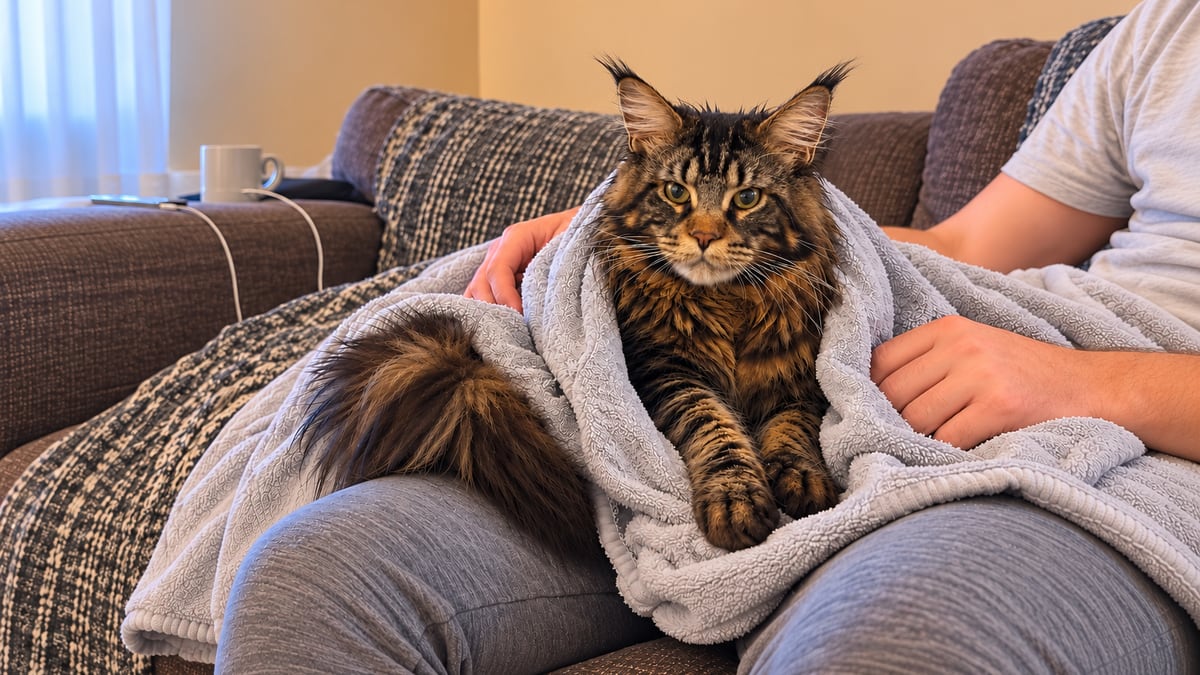
You can manage on your own. International Cat Care suggests positioning your cat facing away from you, ideally while they’re relaxing on your lap. Or gently wrap your cat in a towel with one leg free, and do that paw.
Cats Protection says to settle your cat where you plan to trim, in a position where you can hold them comfortably but firmly. Firm still means gentle: PDSA’s vets say never to hold your cat too tightly.
A helper does make it easier, if you have one. Cats Protection says a second person can help, and PDSA suggests someone strokes your cat and gives treats while you clip.

How to trim cat nails when they hate it
Slow down to one claw at a time. PDSA’s vets say not to try all the claws in one sitting: trim one and reward your cat, and if that didn’t send them running, trim another and reward again. Cats Protection suggests spacing the trim out over a few days, one paw at a time.
Stop at the first signs. International Cat Care lists signs that can mean a cat isn’t comfortable with grooming: skin rippling, a swishing tail or one twitching at the end, suddenly freezing or going tense, ears flicking or turning backwards, licking the lips, growling or hissing. If you see them, stop and see if your cat will tolerate it another day, with a smaller goal they can easily manage.
Never force it, and never shout. PDSA’s vets say shouting or holding your cat tightly will only make them hate it even more, and send them packing as soon as they see you with the clippers. PDSA’s clipping guide says never to force your cat to have their nails cut.
Some cats are past home training. Cats Protection says its handling training needs a physically able, confident cat, as older or unwell cats might struggle. It is not suitable for fearful cats who hide from people or show aggression towards them, and a qualified behaviourist can advise. For the claws themselves, Cats Protection suggests asking your vet nurse to trim them if you’re worried about doing it yourself.
How to cut cat nails for the first time, and kittens
Keep the first go tiny: a few days of paw touching, one claw, a treat, and stop while your cat is still calm. International Cat Care says claw trimming should always end on a positive note, for example a game or a tasty treat.
If you’ve never done it, let the vet team show you. International Cat Care says they can trim your cat’s claws if needed and show you how to do it safely at home without causing your cat undue stress. Cats Protection says a vet or vet nurse can show you how to hold your cat properly.
With a kitten, the paws come before the clippers. The RSPCA suggests touching your kitten’s paws and gently checking the toes and claws during grooming, with lots of praise and treats, keeping sessions short at first and always finishing while your kitten is still enjoying it. It says the same approach suits a new adult cat. And a young, active cat is unlikely to need a trim at all, Cats Protection says.
Older and long-haired cats
Older cats are the ones most likely to need help. International Cat Care says that as cats get older and less mobile, painful arthritic joints may stop them scratching as easily. Cats Protection says a trim reduces the risk of claws getting stuck in furniture or carpets, and stops long claws damaging the paws.
Handle them extra gently. International Cat Care says to take particular care with senior cats, because they may have painful arthritic joints.
A cat who suddenly minds being touched may be sore somewhere. Cats Protection says that if your cat shows any signs of discomfort with handling, get them checked by a vet first to rule out any medical problems.
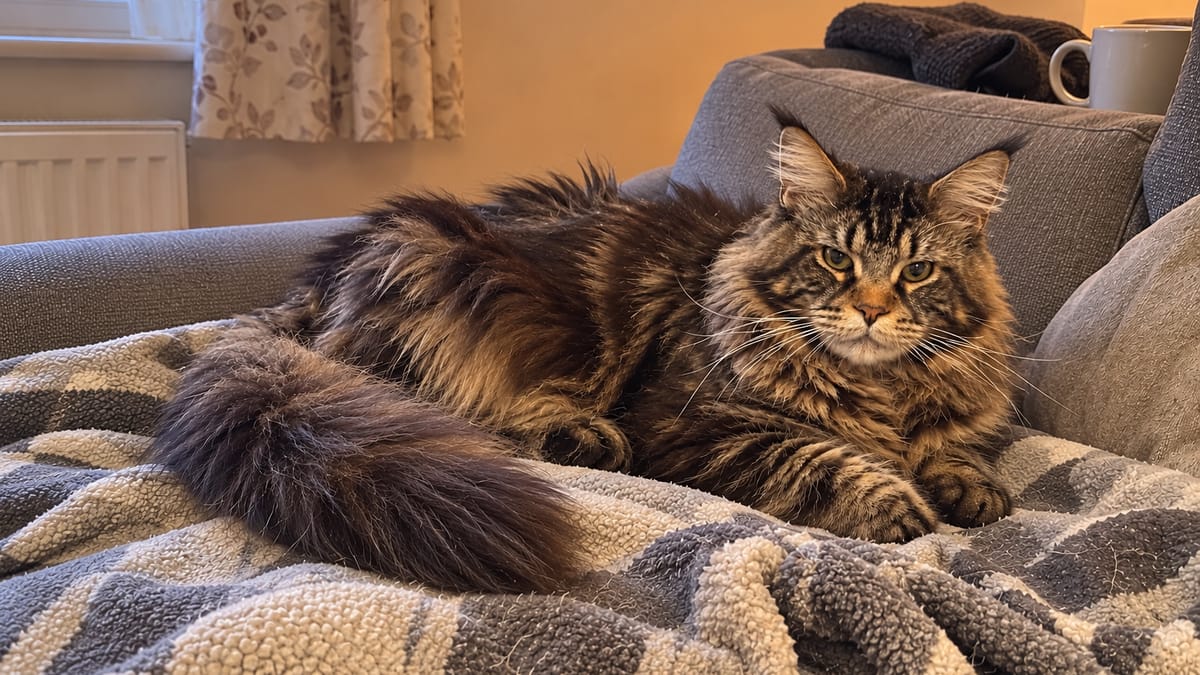
Long-haired cats need a closer look. PDSA says they in particular need regular checking, because all that fur makes it hard to see whether the claws are too long. On a Maine Coon, part the fur on each toe and have a look.
When to let the vet do it, and when to book a visit
Hand it over whenever it’s too much. Cats Protection suggests your vet nurse if you’re worried about doing it yourself, and PDSA says to ask your vet for advice if you struggle at home.
Book a vet visit if a claw may be growing into a pad. Cats Protection says to make an appointment if you notice any change in your cat’s claws or suspect they might be growing into the paw pads. PDSA’s vets suggest a chat with your vet team first if you can see blood or swelling in the toes. International Cat Care says an ingrown claw can be very painful and lead to infection if not dealt with quickly.
Skip claw caps. Cats Protection says claw covers cause cats a lot of stress, can be painful, and stop them retracting their claws and scratching. International Cat Care considers declawing for anything other than genuine therapeutic medical reasons unethical, and PDSA notes it is illegal in the UK.
What to write down for the vet
Short notes show the pattern: when the claws started catching or tapping, which paws you trimmed, how many claws your cat allowed and what made them stop. Note any claw that looked thick, curved or close to the pad.
Lapka Care is a diary for notes like these, and it puts everything that matters for the vet into one PDF.
What a few notes around one trim can look like
3 October: Toffee’s claws clicking on the kitchen tiles. The front left ones catch on the blanket.
4 to 6 October: paw touches on his towel, a treat each time. Pulled away once on the second evening, so back to the side of the neck for a bit.
8 October: front left paw, all five claws, white tips only. Treat, then off he went. Front right on Friday.
11 October: back paws done over two evenings. No clicking on the tiles.
The notes show how long he needed, which paws are harder and when the clicking came back. Next time you know how to space the trims, and the vet can see it too.
When it doesn’t go to plan
How often should I trim my cat’s nails?
Only when they’re too long: catching on fabric, tapping on the floor or showing while your cat rests. Many young, active cats never need a trim. For older cats, Cats Protection suggests considering a trim every two to four weeks as part of their grooming.
Should I trim my cat’s nails just because they’re sharp?
No. PDSA’s vets say to trim only claws that are too long, not because they are sharp, and to speak to your vet if you’re unsure. International Cat Care says cats need sharp claws for climbing, playing and defence.
Can I use human nail clippers on my cat?
No. Cats Protection says cat claws are a completely different shape to our nails, and human clippers could make them split, which is painful for your cat. Use clippers made for cats.
What if I cut the quick?
PDSA says not to panic: dip the claw in cornflour to help it clot, or hold cotton wool around it until the bleeding stops. Its vets add that if you see blood, stop and call your vet for advice.
How do you cut an aggressive cat’s nails?
You don’t wrestle them. PDSA says never to force your cat to have their nails cut, and Cats Protection says handling training isn’t suitable for cats who show aggression towards people. Ask your vet nurse to trim the claws, and a qualified behaviourist about the handling.
How do I trim a kitten’s nails?
Start with the paws, not the clippers. The RSPCA suggests touching your kitten’s paws and gently checking the toes and claws during short grooming sessions, with praise and treats. Cats Protection says a young, active cat is unlikely to need a trim at all.
Why do I find claws around the house?
Most likely, those are claw sheaths. Cats Protection says cats shed the sheath through scratching, which is completely normal and a sign they’re keeping their claws in good condition.
Sources
- Cats Protection — How to trim cat claws
- Cats Protection — Caring for elderly cats
- Cats Protection — Grooming your cat
- Cats Protection — How to train your cat to be comfortable with handling
- International Cat Care — Trimming your cat’s claws
- International Cat Care — Grooming your cat
- PDSA — How to clip your cat’s claws
- PDSA — Vet Q&A: How do I trim my cat’s claws?
- RSPCA — Grooming cats: information for new adopters