
Where to start
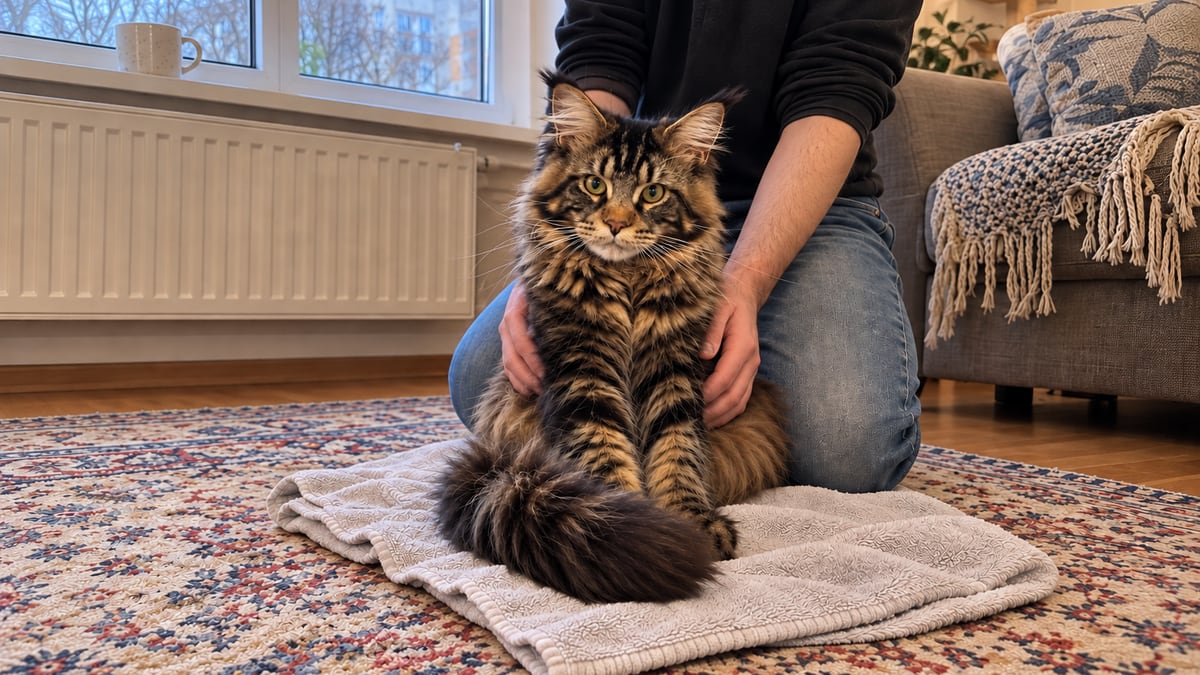
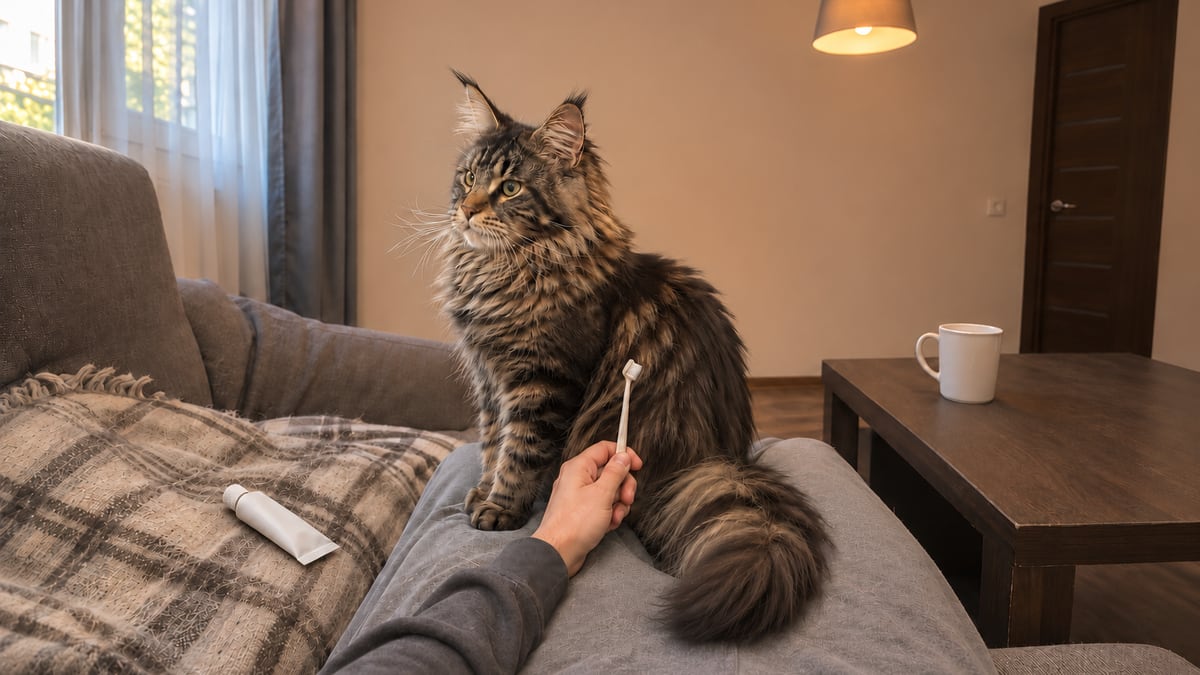
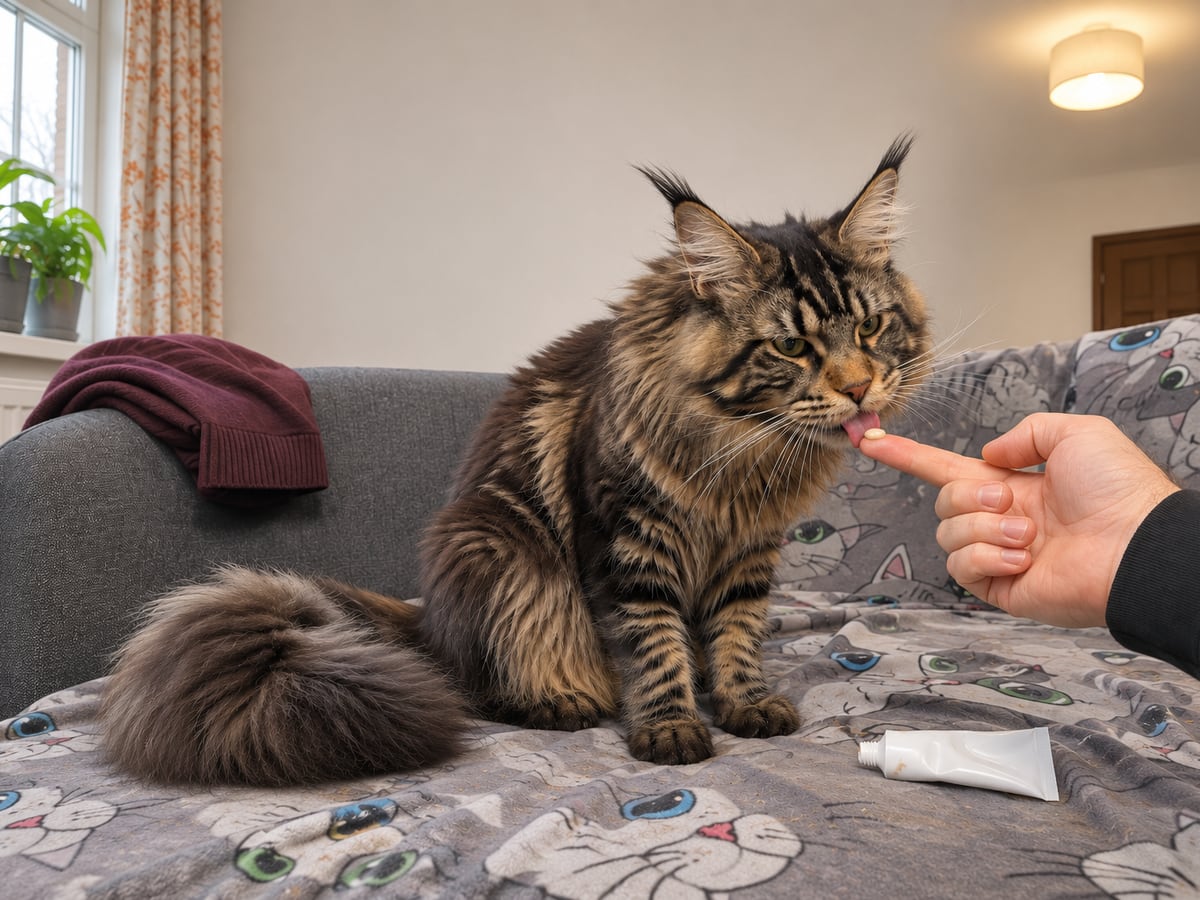
Go slowly and let your cat set the pace. First get them used to having their mouth touched and to licking cat toothpaste off your finger. Then lift the lips and rub paste onto the back teeth with a cotton bud. Only after that bring in a cat toothbrush: ten seconds a side, building up to 30. Stop when your cat has had enough and try again tomorrow. Once a day is ideal.
Do cats need their teeth brushed?
Yes, if your cat will let you. Cats Protection says dental disease is very common in cats and regular brushing is the best way to prevent it. International Cat Care says as many as 85% of cats aged three years and older are thought to have some form of dental disease. Cornell Feline Health Center gives between 50 and 90% of cats older than four.
Brushing works on plaque, the soft film of bacteria, saliva and food on the teeth. International Cat Care says brushing prevents plaque and tartar, keeps the gums healthy and reduces bad breath.
You often can’t tell from the outside. Cats Protection says a cat with a sore mouth might appear happy and relaxed, and may even be eating and drinking normally. PDSA says most cats don’t show signs of dental disease until it’s very severe and painful for them.
Cats in the wild don’t have it sorted either. Cats Protection says they still struggle to keep their teeth clean and often suffer with dental problems. Eating whole prey may help, it says, but it’s not as effective as brushing.
How often to brush a cat’s teeth
Once a day, if your cat is happy with it. International Cat Care says once daily is ideal. Cats Protection says to brush every day if you can, at the same time each day, with a fuss or a play session afterwards.
Pick a time you can keep. International Cat Care says some people brush after a meal and others give a little food as the reward, and there’s no right or wrong.
Daily matters because plaque comes back daily. International Cat Care says that left undisturbed, plaque hardens into tartar. PDSA says brushing is the best way to keep the mouth healthy because it removes plaque before it turns into tartar.
What you need: a cat toothbrush and cat toothpaste
A toothbrush made for cats, and cat toothpaste. Never human toothpaste. Cats Protection says it contains high levels of fluoride, which will make your cat ill if they swallow it, and they very likely will. International Cat Care adds that cats find it unpleasant and it may irritate the stomach.
Cat toothpaste usually comes in flavours such as chicken, beef or fish, International Cat Care says, so you may want to try a few. Cats Protection says it’s safe for cats to swallow.
With more than one cat, give each their own brush. International Cat Care says this stops infection spreading between cats through their saliva.
Ask for a demonstration. Cats Protection suggests asking your vet to show you how to brush your cat’s teeth correctly.
Start with a vet check
Cats Protection says it’s a good idea to have your cat checked by your vet before you start. If their mouth hurts, your cat won’t like it and the training won’t work.
Red gums are the reason to ask first. Cornell Feline Health Center says that if a cat has severe gingivitis, brushing can be quite painful, so talk to your vet before brushing a cat with gingivitis. International Cat Care says that once gingivitis is severe, toothbrushing won’t help, and your cat will likely need a general anaesthetic so the vet can scale and polish the teeth.
After dental work, wait. International Cat Care says that if your cat has just had a scale and polish, or teeth removed, allow time for the mouth to heal before starting any home care.
How to brush a cat’s teeth for the first time
The first time isn’t a brush at all. International Cat Care starts with getting your cat used to being touched around the head and mouth, beginning with gentle stroking, and always ending on a positive note with a favourite treat.
Then the taste. Put a little cat toothpaste on your finger and let your cat lick it off. International Cat Care says some cats instantly love the taste and others are a little reluctant. PDSA suggests offering it around the same time every day. If your cat won’t take it from your finger, PDSA says to put it in the food bowl, or a small spot on a front leg to lick off.
Then the lips. PDSA says to start by gently touching the side of the mouth, avoiding the whiskers, and build up to lifting the lips, with lots of treats before and after. Once your cat is comfortable with that, touch the teeth and gums, and reward again.
Cornell Feline Health Center sets this out as a four-week plan: a week of smelling and licking the toothpaste, a week of a dab on one canine tooth each day, a week of licking paste off the brush, and only in week four the brushing itself.
How to brush your cat’s teeth, step by step
Sit your cat with their back to you. International Cat Care says this is less confrontational for your cat, and if they wriggle, it tends to be backwards, so you keep better control.
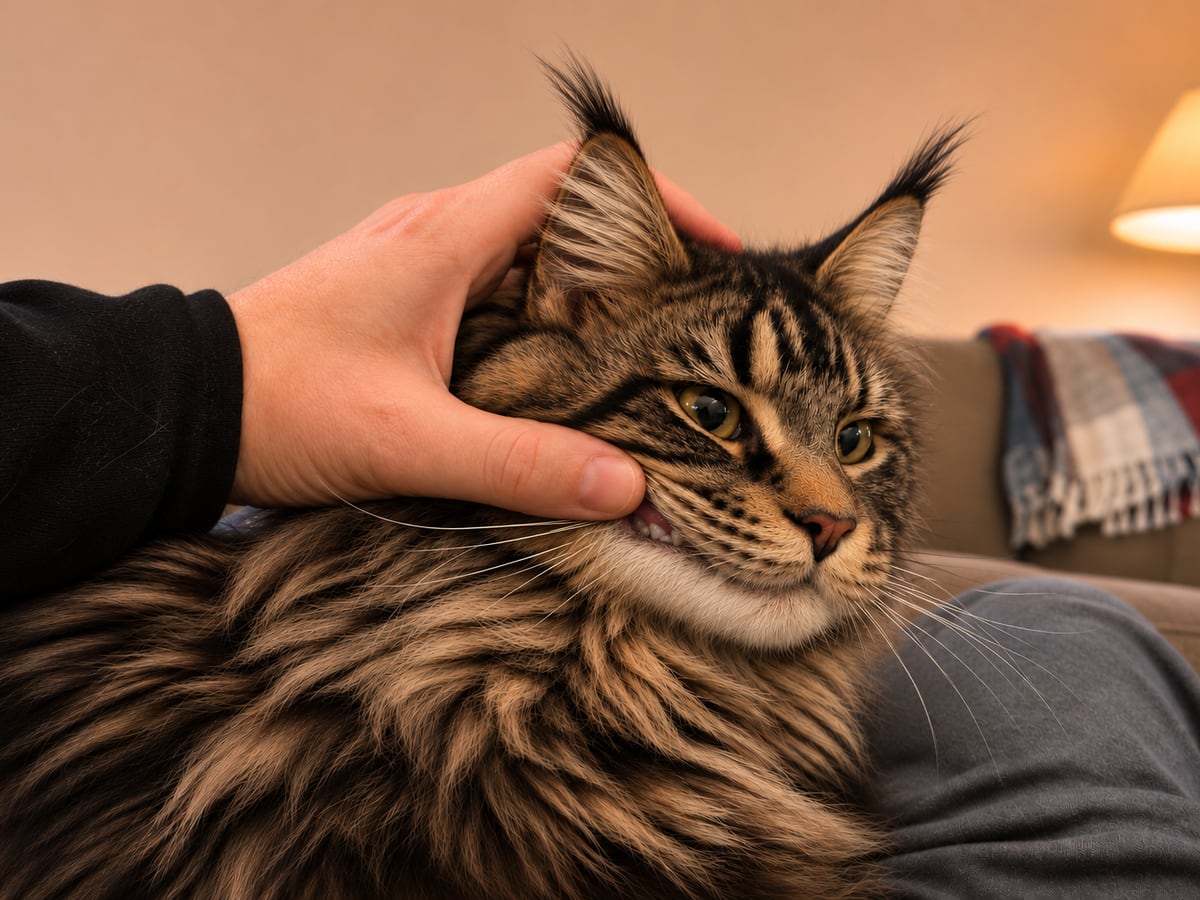
Hold the head lightly. Rest your palm on top of the head, towards the back. Your thumb and second finger go around the cheekbones, below the eyes, and your index finger stays lifted, off the eyes. Tilt the head up a little and lift the upper lip with your thumb. International Cat Care suggests practising this hold when your cat is relaxed, at a different time from brushing.
A cotton bud comes before the brush. For the next few days, International Cat Care says, rub toothpaste onto the teeth with a cotton bud in small circles. Start with the back teeth and work your way forward.
Then the toothbrush, in the same small circles. Start with just ten seconds on each side and build up to 30. Cornell says to hold the bristles at a 45 degree angle, aimed at the narrow gap between tooth and gum. Only the outside surfaces need brushing, because your cat’s tongue cleans the inside ones well.
Brush gently, PDSA says, and not directly on the gums.
How to brush cat teeth if they hate it
Go slower. International Cat Care says it doesn’t matter how long it takes to get through the stages, as long as your cat is comfortable. If each stage takes more than a couple of days, that’s fine. Brushing should be pleasant for your cat, not a battle between you.
Let them go. Cats Protection says that if your cat finds brushing too stressful and wants to run away, stop and let them go, or the next try will be even harder. International Cat Care says to stop at signs of discomfort and try again the next day.
Keep it short and predictable. Cats Protection’s handling training keeps sessions to two minutes at most. It suggests saying the same word each time, such as “touch”, and a mat or towel that comes out only for practice. If your cat seems uncomfortable, you moved too quickly: go back a step. Your cat should always be able to move away, and you never restrain them.
Most cats get there. Cornell says some cats need a gradual introduction, but most can eventually be trained to accept brushing. International Cat Care says some simply won’t tolerate it, however much you persevere. Cats Protection says its handling training isn’t suitable for fearful cats who hide from people or show aggression towards them, and a qualified behaviourist can advise.
Your vet team can help. International Cat Care says your clinic may offer appointments with a vet nurse who can show you how to brush, and to call your veterinary team if you’re having problems at home.
How to brush a cat’s back teeth
Start there. International Cat Care says the back teeth are usually the ones that are difficult to reach, but the most important to brush.
Use the head hold above. Lift the upper lip with your thumb, and with a finger of your other hand gently pull down the lower lip. International Cat Care says this gives you a good view of all of one side of your cat’s teeth.
You don’t need your cat to open wide. Cornell describes gently stretching the lips far enough to slip the brush between the lips and gums. The inside surfaces can be left to the tongue.
Brushing cat teeth and bleeding gums
A little blood at the start can happen. International Cat Care says you may notice a small amount of bleeding from the gums at first. It says this is common and will stop as you brush more regularly and the gums become healthier.
PDSA is more cautious. It says that if your cat shows signs of pain, or their gums look sore or bleed while you brush, stop and speak to your vet. When you’re not sure which of these you’re seeing, call your vet.
Sore gums are a sign in their own right. PDSA lists red, sore, bleeding gums among the signs of dental disease.
How to brush cat teeth without a toothbrush
You can manage without one for a while. International Cat Care’s steps use a cotton bud before any brush. PDSA lists a microfibre finger cloth for tooth cleaning as an option next to a cat toothbrush.
Watch your fingers. International Cat Care says finger brushes should be used with caution, and probably avoided in most cases, to reduce the risk of being accidentally bitten.
Dental gel needs no brushing. PDSA says gels contain enzymes and mild abrasives that can help prevent plaque. Rub the gel onto the teeth and gums, or let your cat lick it off your finger or their own paw. Gels aren’t as effective as brushing, PDSA says, but they are a good alternative if your cat won’t tolerate anything else.
And without toothpaste? None of these organisations suggests it. They all ask for toothpaste or gel made for cats, and Cornell says human products can be toxic to cats. While you wait for cat toothpaste, you can still practise touching the mouth and lifting the lips.
When your cat won’t let you brush at all
Brushing is still the best way, but these help. If your cat likes the toothpaste, International Cat Care suggests putting some on dry food or dental chews, so it rubs against the teeth.
Dental chews and diets. International Cat Care says chews can help to reduce plaque and tartar, but not prevent them, and your vet can say which suit your cat. It says dental diets are made to help control plaque and tartar, and are a good option for a cat who won’t accept brushing. Cats Protection adds that diet alone won’t control plaque.
Mouthwash goes in the water bowl. PDSA says a special pet-friendly mouthwash added to drinking water may help reduce plaque. Never use human mouthwash for your cat.
Go easy on treats. PDSA says dental treats are fine now and then, but you shouldn’t rely on them for your cat’s teeth. Cats Protection says cat treats can contain a lot of sugar, which leads to tooth decay and dental disease.
And keep the vet visits. For a cat who won’t be brushed, Cats Protection says to see the vet at least once a year, so they can check for changes in the mouth.

Kittens: when to start brushing
Start the practice early and the brushing later. Cats Protection says to begin regular brushing when the adult teeth come in, normally at around six to nine months old. Before that, a kitten’s teeth don’t need brushing, but getting them used to having their teeth touched prepares them.
Teething can make the mouth sore for a while. Cats Protection says kittens have 26 baby teeth, replaced by 30 adult teeth by the age of six months. International Cat Care says cats around five months of age quite commonly get juvenile gingivitis, with an obvious smell to the breath, and you may even find a tooth on the floor. It usually takes 4–6 weeks to settle. Check with your vet if anything looks wrong.
Older cats can learn too. International Cat Care says brushing can be introduced at any age, as long as it’s done gradually and carefully. Kittens don’t usually take long, it says, while older cats need a little more time and patience.
Mouth signs that mean the vet, not the toothbrush
Book a visit if you see any of these. Cats Protection lists less grooming, bad breath, drooling, discomfort when eating, pawing at the mouth, bleeding gums, and a smaller appetite or weight loss. PDSA adds wobbly teeth, visible tartar, and swelling around the face, jaw or cheeks.
Go urgently if your cat has broken a tooth, can’t close their mouth, or has stopped eating, PDSA says.
Tartar is a job for the vet. International Cat Care says it looks like a cream, yellow or brown hard deposit on the tooth. Brushing can’t remove it; a scale and polish under anaesthetic usually can.
Keep the check-ups even when everything looks fine. International Cat Care says a vet should ideally examine your cat’s teeth at least once every 12 months, and every 3–6 months for cats who have had dental problems. PDSA’s vets say every six to twelve months, with a look at home every month in between. Healthy gums, PDSA says, are salmon pink, with no redness, ulcers, bleeding or lumps.
What to write down for the vet
Short notes show the pattern: which step your cat accepts, how many seconds a side, where they stopped, and anything you saw in the mouth, such as a red line along the gums, a spot of blood, a loose tooth or a change in the breath. Write the date by each one, so the vet can see when it started.
Lapka Care is a diary for notes like these, and it puts everything that matters for the vet into one PDF.
What a few weeks of notes can look like
2 November: Pumpkin licks the chicken toothpaste off my finger. Turned his nose up at the fish one.
3 to 9 November: touching the side of his mouth on his towel, then lifting the upper lip. A treat every time. Pulled away twice on the 6th, so back to cheek strokes for two days.
10 November: cotton bud on the back teeth, left side only, about ten seconds. A tiny pink spot on the bud.
13 November: the toothbrush, ten seconds each side. He stayed on my lap afterwards. No pink.
The notes show which step took longest and whether the pink spot went away or came back. That’s what the vet will ask about.
When it doesn’t go to plan
How often should you brush a cat’s teeth?
Once a day, if your cat is happy with it. International Cat Care says once daily is ideal, and Cats Protection says to brush every day if you can, at the same time each day.
Is it really necessary to brush a cat’s teeth?
It’s the best thing you can do for them. Cats Protection says dental disease is very common in cats and regular brushing is the best way to prevent it. If your cat won’t accept it, dental diets, gels and yearly vet checks are the fallback.
Can I use human toothpaste on my cat?
No. Cats Protection says human toothpaste contains high levels of fluoride, which will make your cat ill if they swallow it. Use toothpaste made for cats, which comes in flavours like chicken or fish.
How do I brush my cat’s teeth without a toothbrush?
Start with a cotton bud, as International Cat Care does, or a microfibre finger cloth, which PDSA lists. Dental gel can be rubbed on or licked off your finger. Finger brushes risk a bite, so International Cat Care suggests avoiding them in most cases.
Is it normal for my cat’s gums to bleed when I brush?
International Cat Care says a small amount of bleeding at first is common and stops as the gums get healthier. PDSA says to stop and speak to your vet if the gums look sore or bleed, or your cat shows pain.
What is the easiest way to brush a cat’s teeth?
Little and often, in small stages. International Cat Care suggests your cat sitting with their back to you, a cotton bud before the brush, the back teeth first, and ten seconds a side. Only the outside of the teeth needs brushing, Cornell says.
Can dental treats replace brushing?
No. PDSA says dental treats are fine as an occasional treat, but you shouldn’t rely on them for your cat’s teeth. International Cat Care says dental chews can help reduce plaque and tartar, but not prevent them.
Sources
- International Cat Care — How to brush your cat’s teeth
- International Cat Care — Dental disease in cats
- Cats Protection — Do I need to brush my cat’s teeth?
- Cats Protection — Dental care
- Cats Protection — How to train your cat to be comfortable with handling
- PDSA — Dental disease in cats
- PDSA — Vet Q&A: Am I doing enough for my cat’s dental care?
- Cornell Feline Health Center — Feline dental disease