
The short answer
If your cat has mild diarrhea but is bright, active and otherwise fine, and it started less than a day ago, PDSA says you may be able to settle them at home with plenty of water and small, bland meals. Call your vet if it hasn’t improved within 24 hours, gets worse, or comes with vomiting, low energy, blood or mucus, or a painful belly. With a kitten or an older cat, always call.
Cat diarrhea but acting normal: can you wait?
Often, for a short while. Cornell Feline Health Center says that in most cases diarrhea is short-lived, either clearing up by itself or readily fixed with a change of diet.
PDSA draws the line at a day. If your cat has had mild diarrhea for less than 24 hours and is otherwise fine, which PDSA describes as bright, active and with nothing else wrong, you may want to try settling them at home before you call the vet. Cats Protection says diarrhea in a cat who seems otherwise fine could be a temporary upset, perhaps caused by a sudden change of diet or something they ate.
Acting normal still isn’t a reason to forget about it. International Cat Care says diarrhea is a sign of a disease or of another problem with your cat, and PDSA says most cases improve quickly, but some need treatment from a vet.
Why does my cat have diarrhea all of a sudden?
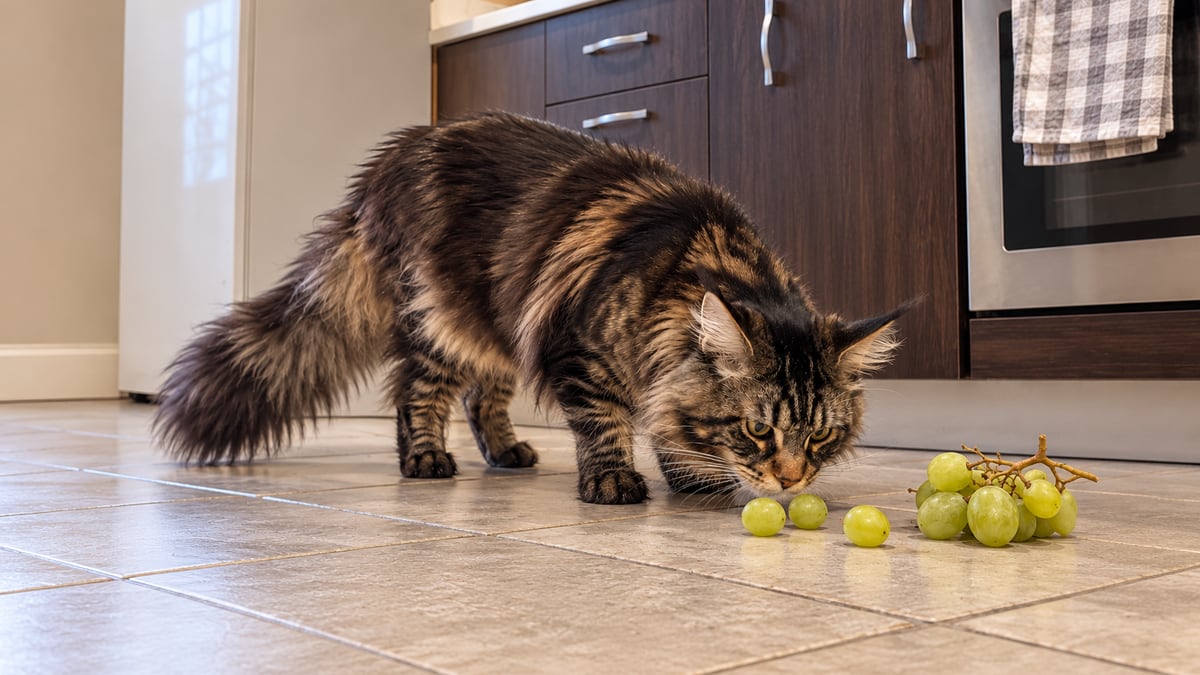
Food tops the list. PDSA lists the common causes as a sudden change in diet, eating something that upsets the tummy, worms and other gut parasites such as giardia, and pancreatitis. Cats Protection says many cats are sensitive to sudden changes in their diet, or to food that isn’t made for cats, such as human food or too many treats.
Stress can do it too. Cornell Feline Health Center says a stressful situation, such as a long car trip or a weekend stay at a vet clinic, may bring on a brief bout of loose poo, and PDSA says stress in cats can cause an upset tummy.
Kittens may be more prone. Cornell says they may be at higher risk while their digestion adjusts to solid food.
Less often, the cause needs a vet to find and treat. PDSA’s list of less common causes includes gut infections, viruses, poisons, inflammatory bowel disease, a blockage in the gut, liver or kidney disease, and cancer.
Cat diarrhea but still eating and drinking: what to do at home
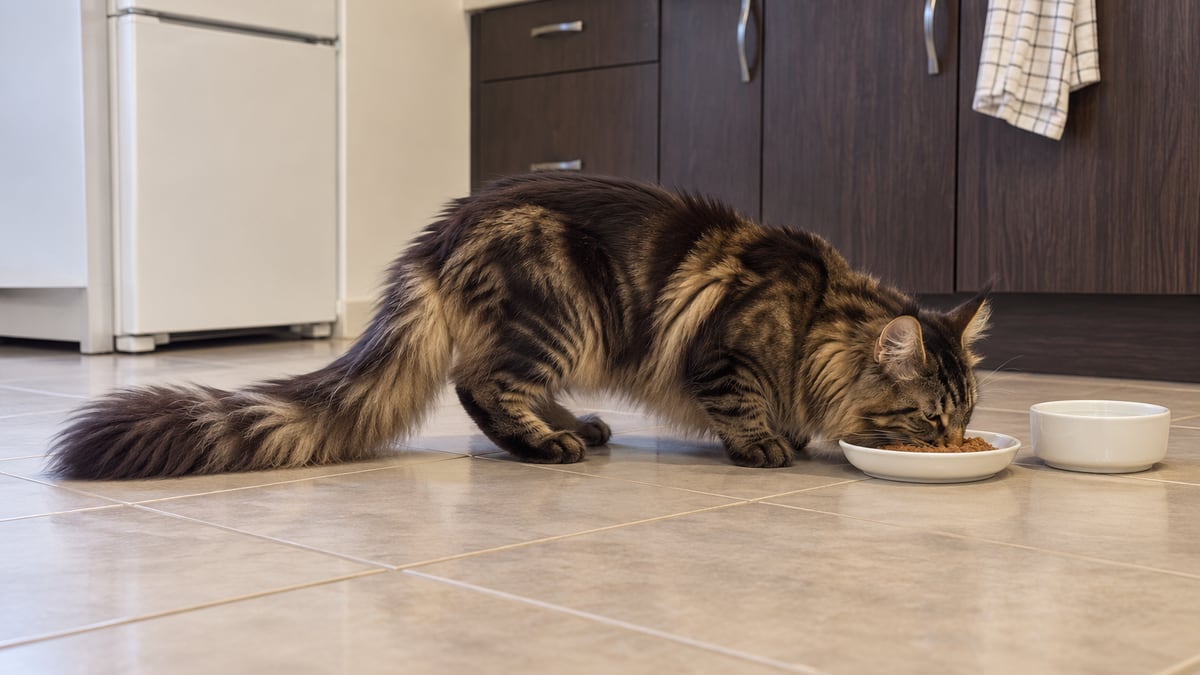
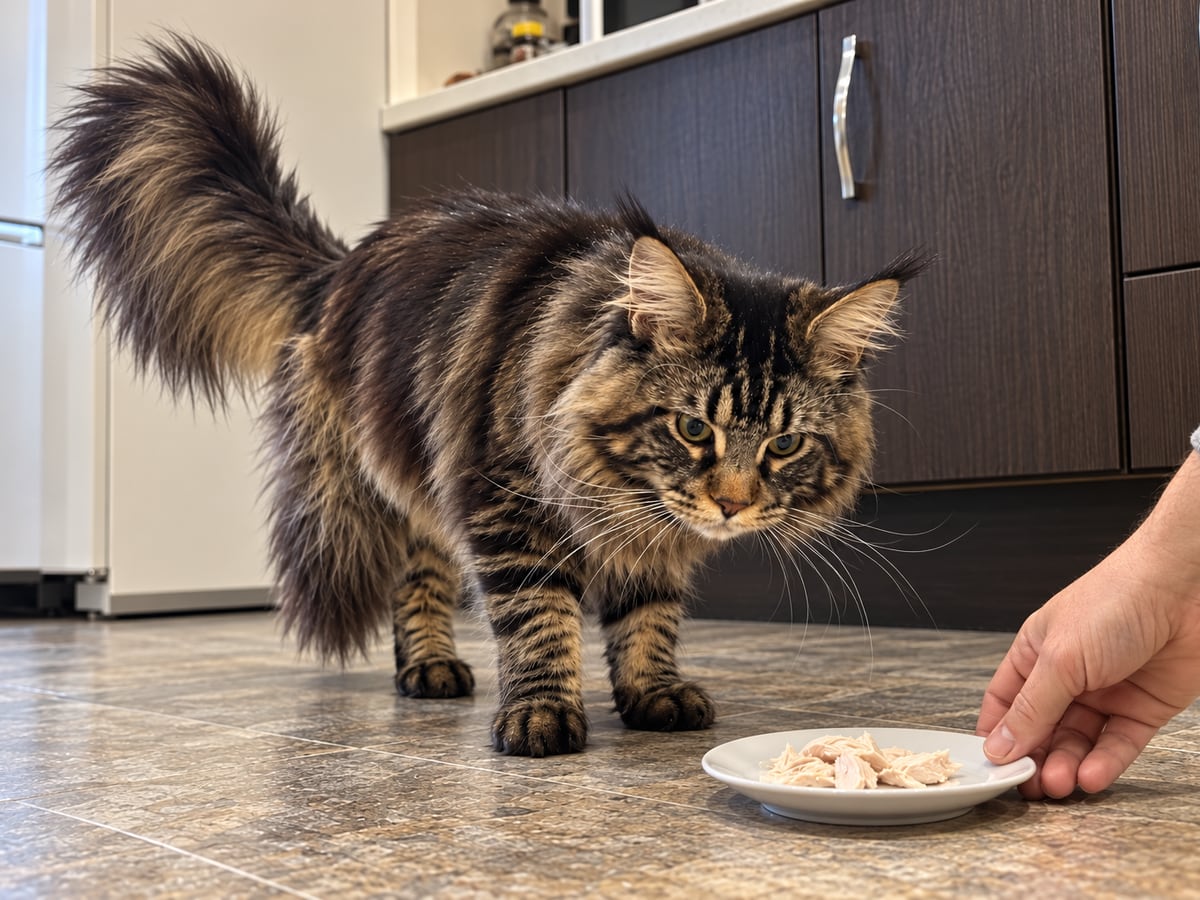
If your cat is bright and the diarrhea is mild, PDSA and Cats Protection describe much the same home care. Keep fresh water down and offer small meals more often. Cats Protection says that can be their usual food in small amounts, or a bland meal such as plain boiled chicken.
PDSA suggests small, bland, regular meals such as boiled chicken or white fish, without skin or bones. There is no need to starve your cat, it says. Leave out anything rich or fatty, and call your vet if your cat refuses to eat. Your vet is also likely to sell a tinned food made for upset stomachs.
Let them sleep it off. PDSA says your cat might need a little more sleep than usual while they recover, but if they seem very tired, or just aren’t themselves, speak to your vet.
Once the poo is firm again, go back to the usual food slowly. PDSA says to reintroduce the normal diet over a few days.
Keep the water bowl full
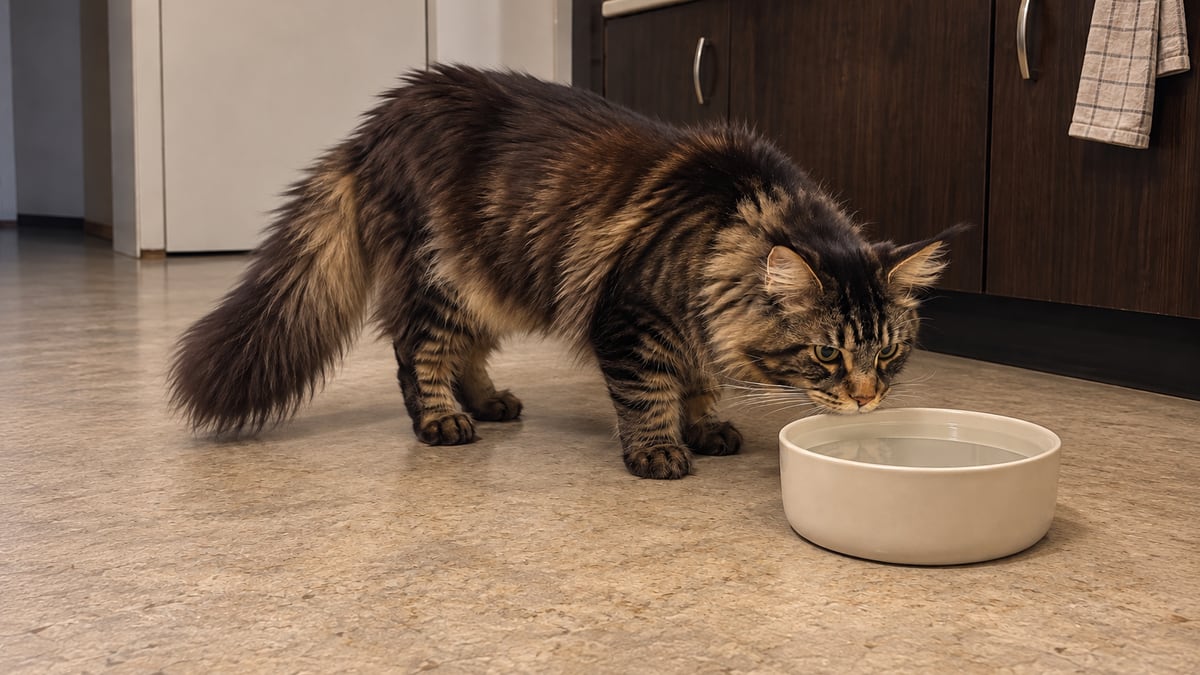
Diarrhea costs your cat water. PDSA says cats with diarrhea often drink more to replace what they’re losing, so make sure your cat always has water and encourage them to drink through the day.
Dehydration is the thing to avoid. PDSA says severe diarrhea, or diarrhea left untreated for too long, can lead to dehydration and severe illness. With more severe diarrhea, International Cat Care says, your vet may suggest an electrolyte solution instead of plain water.
Why does my cat have diarrhea after eating wet food?
Look at what changed. Cats Protection says many cats are sensitive to sudden changes in their diet, and that food or ingredient intolerances or allergies can play a part. A new brand or flavour served all at once is a sudden change, wet or dry. Wet food itself isn’t what Cats Protection blames: it says moisture-rich wet food can help prevent dehydration and support better digestion.
Milk is worth cutting out. Cats Protection says most cats are lactose intolerant, that lactose intolerance can lead to diarrhea, and recommends not giving cats milk or other dairy.
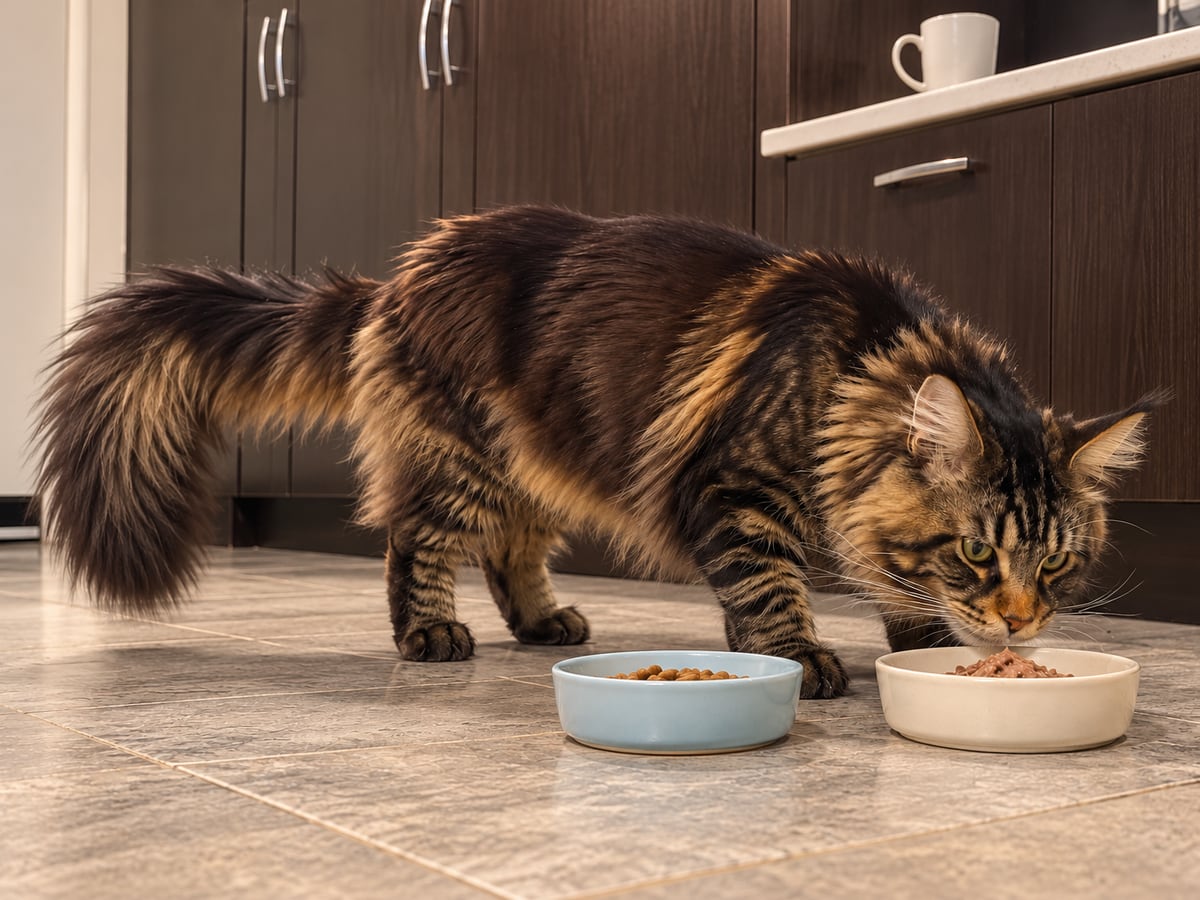
Switch foods slowly. International Cat Care says a gradual change helps prevent stomach upsets such as vomiting and diarrhea. It suggests putting both foods down at the same time in separate bowls, starting with 75% of the old food and 25% of the new, then moving towards the new one as your cat accepts it.
Let your cat set the pace. International Cat Care says some cats accept a new diet in five to seven days, while others could take two to eight weeks.
Cat diarrhea with blood or mucus
Have a look at what’s in the tray. International Cat Care lists passing mucus and fresh blood among the signs of diarrhea. PDSA says fresh blood usually shows as bright red streaks on the outside of the poo, while digested blood turns the whole poo black.
Black, tarry poo is a reason to call, too. International Cat Care says it can mean bleeding higher up in the gut and should prompt a call to the vet. Cats Protection says very dark or black poo can be a sign of bleeding in the small intestine.
With red blood, the charities differ on how fast to go, so call your vet either way. Cats Protection says diarrhea with black or bloody poo needs an emergency appointment. International Cat Care says blood, unless there’s a large amount, doesn’t need emergency care, but your cat should still be checked. PDSA says always contact your vet if you see blood in your cat’s poo, and if there’s only a very small amount and your cat is bright and eating, the vet may suggest settling their stomach for 24 hours first.
International Cat Care says the poo may also be covered with a jelly-like material. PDSA lists blood or mucus in the poo among the reasons to call your vet.
How long can a cat have diarrhea before going to the vet?
The charities give slightly different times. PDSA’s line is 24 hours: contact your vet if your cat doesn’t improve within that time, gets worse or develops anything else. Cats Protection says to call for an emergency appointment if the diarrhea lasts longer than a day or two. International Cat Care says to have your cat checked if it continues for more than a few days.
Cornell Feline Health Center says that if diarrhea lasts longer than a day or two and your cat also has a poor appetite, is lethargic or is vomiting, you should get veterinary care as soon as possible.
If you can’t decide which to follow, go by the shortest. PDSA also says you know your cat best, and if you’re still worried, it’s always best to contact your vet.
Don’t reach for the medicine cabinet. Cornell says some over-the-counter medicines can be harmful to cats. PDSA says it’s rare for a cat with diarrhea to need antibiotics, and in the wrong situation they can make it worse. Your vet may suggest probiotics or a product that soothes the bowel instead.
When to see a vet straight away
Call your vet now if the diarrhea comes with anything else. PDSA names vomiting, low energy, blood or mucus in the poo, and a painful belly. Cats Protection says diarrhea with lethargy, a lack of appetite, vomiting, or black or bloody poo needs an emergency appointment.
Kittens and older cats can’t wait as long. PDSA says to always speak to your vet if an elderly cat or a kitten has diarrhea, because they are more at risk of becoming dehydrated. With a kitten who has blood in their poo, contact the vet too, PDSA says, especially if they also have diarrhea or are off their food.
Don’t put the call off. Cornell Feline Health Center says that in some cases diarrhea can be the sign of a deeply rooted, possibly life-threatening condition.
Why does my cat have diarrhea all the time?
Diarrhea that keeps coming back needs a vet, even in a cat who seems well. Cats Protection says some changes in poo can be normal and often come down to diet and hydration, but persistent changes in how often your cat goes or how the poo looks mean they need to be seen by a vet.
Cornell Feline Health Center says long or recurring bouts may point to a serious problem outside the gut, such as an overactive thyroid or a disease of the kidney or liver. Only your vet can find out which.
Going early helps. International Cat Care says finding the cause of persistent diarrhea early will help prevent long-term changes, which may be irreversible. Cats Protection says the vet may look at a poo sample, run blood and urine tests, or try a change of diet to see how your cat responds.
If your cat goes outside
You may never see the poo itself. PDSA says diarrhea can be tricky to spot in a cat who mainly goes to the toilet outside, and lists the quieter signs: going out more often than usual, a dirty, smelly, sometimes painful bottom, a gurgling or bloated tummy, more wind than usual, a lot of bottom-cleaning, low energy and an unkempt coat.
International Cat Care adds soft poo stuck to the fur under the tail, accidents in the house, and weight loss.
What to write down for the vet
The vet starts with your story. International Cat Care says your vet will take a detailed history from you and examine your cat, and Cats Protection says they will ask about the history.
International Cat Care suggests noting what the diarrhea is like, how often it happens, and whether there is any straining, blood or mucus. Add when it started, what your cat ate in the days before (a new food, treats, milk), and whether they are eating, drinking and playing as usual. Lapka Care is a diary for notes like these, and it puts everything that matters for the vet into one PDF.
What three days of notes can look like
Sunday: opened the new bag of food and gave it for supper, no old food mixed in.
Monday, 7 pm: soft poo in the tray, no blood or mucus. Ate supper, chased the wand toy.
Tuesday, 7 am: soft again, a bit more watery. Drank more than usual. Small meals of plain boiled chicken from noon. Evening: firmer.
Wednesday: normal poo. Started bringing the old food back slowly, a little more at each meal, alongside the chicken.
The notes put the new food the day before it started, and show the poo firming up within a day while your cat stayed bright. Had it gone on, the vet would already have the start, how often and what it looked like.
Questions people ask
Should I worry if my cat has diarrhea but is acting normal?
Not straight away, if it’s mild and started less than a day ago. PDSA says a cat who is bright, active and has nothing else wrong may be settled at home with water and small, bland meals. Call your vet if it doesn’t improve within 24 hours, gets worse, or anything else appears.
How long does cat diarrhea last?
Usually not long. Cornell Feline Health Center says most cases are short-lived, and an abrupt change in diet may cause diarrhea for a few days. PDSA says to book an appointment if it hasn’t improved within 24 hours, and International Cat Care says diarrhea that continues for more than a few days needs a check.
Should I stop feeding my cat if they have diarrhea?
No. PDSA says there is no need to starve your cat: offer small, bland, regular meals instead, such as boiled chicken or white fish without skin or bones. If your cat refuses to eat, PDSA says to call your vet.
Can milk give cats diarrhea?
Yes, it can. Cats Protection says most cats are lactose intolerant and that lactose intolerance can lead to diarrhea, so it recommends not giving cats milk or other dairy.
My cat has diarrhea and is vomiting. What should I do?
Call your vet. Cats Protection says diarrhea with vomiting needs an emergency appointment, and PDSA lists vomiting among the reasons to contact your vet. Cornell Feline Health Center says diarrhea lasting more than a day or two with vomiting, lethargy or a poor appetite needs veterinary care as soon as possible.
Can I give my cat medicine for diarrhea?
Only what your vet gives you. Cornell Feline Health Center says some over-the-counter medicines can be harmful to cats, and PDSA says antibiotics are rarely needed and, in the wrong situation, can even make diarrhea worse. Your vet may suggest probiotics or a product that soothes the bowel.