
The short answer
Most cats don’t. Cats spend a big part of each day grooming, and Cats Protection says there usually isn’t any need to bathe a cat. Regular bathing can even harm the skin and coat. Bathe your cat only if your vet recommends it, and ask them how often. The exceptions are something toxic on the fur, a medical reason your vet gives, and hairless breeds such as the Sphynx.
How much cats wash themselves
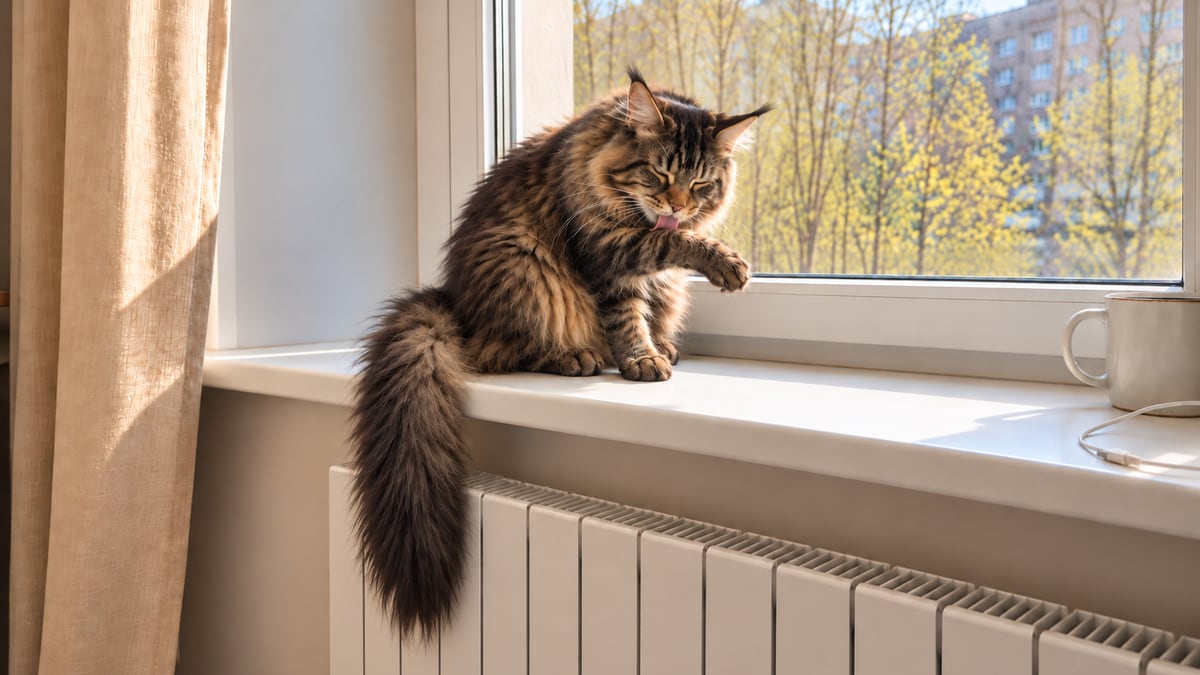
A lot. The Cornell Feline Health Center quotes Dr Pamela Perry, of Cornell’s veterinary college: cats typically spend between 30 and 50 percent of their day grooming themselves. “It’s a huge chunk of their day,” she says.
All that licking keeps the coat clean. Cats Protection says cats lick their fur to remove dirt, debris and excess hair, and that this keeps the coat in good condition. International Cat Care adds that grooming removes loose hair, smooths the coat and keeps it waterproof, by stimulating glands at the base of the hairs.
Should I bathe my cat?
Usually not. Cats Protection says there usually isn’t any need to bathe a cat, because cats are very clean creatures and good at grooming themselves. Its grooming page goes further: it is very unlikely that your cat will ever need a bath.
The others agree. International Cat Care says that if your cat is healthy there is no reason to bath them, and most don’t tolerate it well. Battersea answers the same question with “in most cases no”. Cats can wash themselves, it says, and they don’t usually enjoy a bath.
So do you need to bathe a cat? Only when your vet says so. Cats Protection says to bathe your cat only if your vet has recommended it.
Why regular baths can do harm
Regular bathing can be harmful for a cat, Cats Protection says. A bath can strip the coat of the natural oils that keep the skin healthy and add a layer of waterproofing. That is the same layer your cat’s own grooming looks after.
It can wash off medicine too. If your cat has a topical flea treatment, the kind put on the skin, Cats Protection says you may remove it in the bath.
And most cats find it hard going. Cats Protection says bathing is stressful for most cats, because they don’t like water or having certain parts of the body rubbed and touched. Its grooming page puts it plainly: it’s no myth that cats don’t like water.
How often should you bathe a cat?
There is no schedule for a healthy cat. Cats Protection says most cats won’t need regular bathing, and cats usually only need to be washed for specific health reasons. None of the organisations we read gives a number of baths a year or a month for a healthy cat, so we don’t either.
If your vet does recommend baths, ask them how often. Cats Protection says your vet will be able to advise you on that.
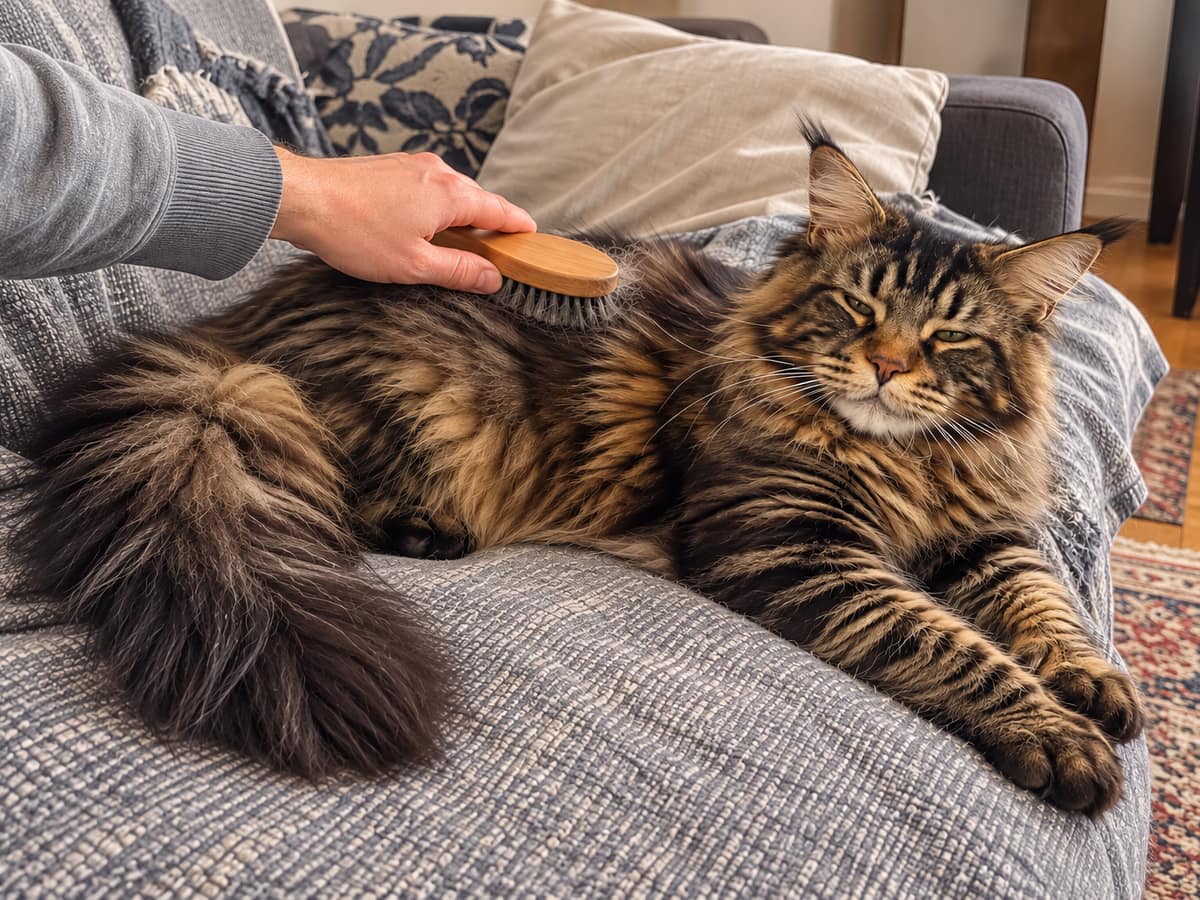
What a coat does need on a schedule is a brush. Cats Protection says long-haired cats should be brushed daily, and short-haired cats ideally once a week.
Do indoor cats need baths?
The rule is the same indoors and out. None of the pages we read treats indoor cats differently: a healthy cat who grooms doesn’t need a bath.
Cats Protection says that as long as cats are grooming themselves they should stay clean. For a bit of dust or dirt on the fur, it says a soft cloth soaked in warm water is often enough to remove most of it.
When a cat needs a wash: something toxic on the coat
This one is urgent. International Cat Care says cats will groom any substance off their coats and swallow it. One example it gives is lily pollen: a small amount licked off the coat is enough to cause kidney failure, and urgent veterinary treatment is needed.
Ring your vet first. Cats Protection says the only time you would need to bathe your cat is if they have something potentially toxic in their fur, and that it’s best to call your vet for advice, because a bath can be very stressful for a cat who isn’t used to water. International Cat Care says to try to stop your cat grooming any further, and to wash them only under instruction from your veterinary team. It adds that washing and clipping are often best done at the clinic.
International Cat Care says a cat can sometimes be cleaned at home, but only if the contamination is mild and only on the coat, and to talk it over with your vet team first. For something oily or sticky, it describes removing oil with oil: clean, warm vegetable oil rubbed into the patch, then washed off with detergent.
Contact your vet team immediately if you think your cat has touched something poisonous, or if they show signs of poisoning. International Cat Care lists among the signs vomiting, diarrhoea, tremors, loss of coordination, fits, difficulty breathing, and redness or swelling of the skin.
Do hairless cats need baths?
Yes, and often. Cats Protection says many hairless cats, such as the Sphynx, need regular baths to keep their skin healthy. PDSA explains why: these cats get a build-up of oil and sweat on the skin that fur would usually spread out. So they need regular baths with a gentle cat shampoo, which can be as often as weekly.
Too many baths can dry the skin out, though. Cats Protection says overbathing can make the skin excessively dry, and that medicated shampoos are usually needed, from your vet on prescription. Your vet can also tell you whether any skin products would stop it getting too dry.
Some cats with fur need washing for a medical reason too. Battersea says cats with medical conditions need bathing to clean their skin, and to ask your vet if you’re not sure.
Should I bathe my cat if she stinks?
A coat that starts to smell can mean your cat is no longer managing to groom. The Cornell Feline Health Center says older cats groom themselves less effectively than younger ones, sometimes with matted fur, a skin smell and inflammation as a result.
Weight gets in the way too. Battersea says overweight cats may struggle to clean sensitive parts of their bodies, because their weight affects how flexible they are and which parts they can reach. Cats Protection says a cat who can’t groom as well, for example because they are older or have mobility issues, may need your help.
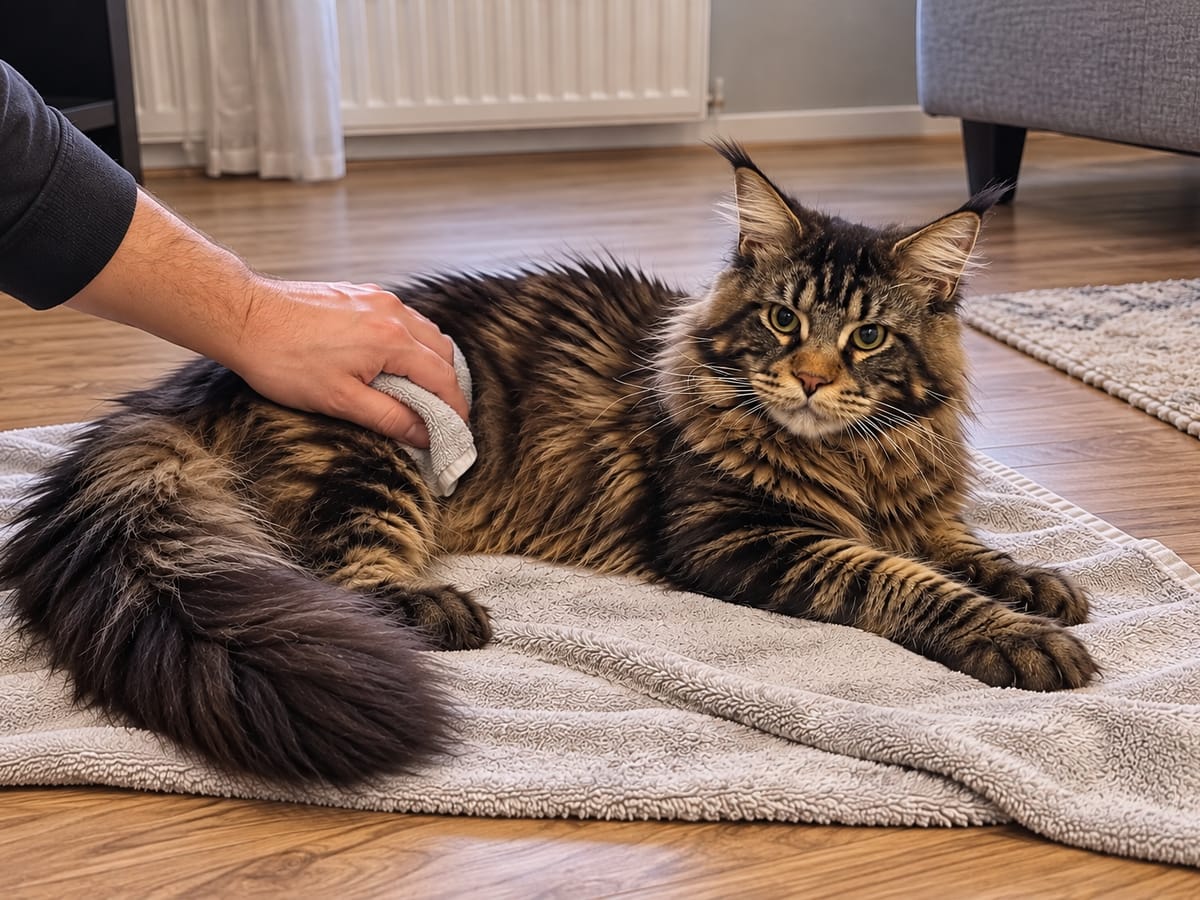
So take a new smell to the vet, who can find out why your cat has stopped managing. At home, help with a brush or a soft, damp cloth, as Cats Protection suggests.
Do cats need baths if they have fleas?
Ask your vet before you run a bath. None of the pages we read says a bath treats fleas. What Cats Protection does say is that a bath may remove a topical flea treatment, and it recommends using only flea products prescribed by your vet or pharmacist.
Never use a dog’s flea product on a cat. International Cat Care says dog flea products should never be used on cats.
What to do instead of a bath
For a cat who really hates water, Cats Protection suggests three things in turn. Try a brush first, which may get dirt and debris out of the fur. If a dry brush won’t do it, wipe the fur with a soft, damp cloth. If you still can’t get your cat clean, speak to your vet, who may be able to bathe them for you.
Very young kittens are a firm no. Cats Protection says very young kittens under eight weeks old should not be bathed, because there is a risk they could drown.
Leave scent out of it. Cats Protection says never to apply essential oils to your cat’s fur or skin: the oil can be absorbed through the skin, and your cat could lick it off and swallow it while grooming.
If your vet does say a bath, our guide on how to bathe a cat that hates water takes you through it step by step.
When a change in grooming needs the vet
Watch how your cat grooms. Cats Protection says a change in grooming habits could be a sign that there is a problem.
Battersea says to take your cat to the vet for a check-up if you notice a change in the fur or in how they groom. Its examples are grooming more or less often, mats in new areas, grooming that looks uncomfortable, losing fur, and overgrooming that leaves sore areas or bald spots.
Write down what you see and when it started. Lapka Care is a diary for notes like these, and it puts everything that matters for the vet into one PDF.
What a few notes on grooming can look like
17 October: Toffee has stopped washing his lower back. The fur there feels greasy and has started to clump.
19 October: same patch, and a faint smell. He moves away when the brush gets near his hips.
21 October: a soft damp cloth took the grease off. Vet booked for Thursday.
The notes show where the change is, when it started and how your cat reacts to the brush there. That way the vet sees the whole picture.
Questions people ask
Do cats need baths once a year?
No. None of the sources we read suggests a yearly or monthly bath for a healthy cat. Cats Protection says most cats won’t need regular bathing, and to bathe your cat only if your vet recommends it. If they do, they can tell you how often.
Is it bad to bathe a cat?
Regular baths can be. Cats Protection says bathing can strip the natural oils that keep the skin healthy and the coat waterproof, can remove a topical flea treatment, and is stressful for most cats. A bath your vet asks for is a different matter.
Do long-haired cats need baths?
Not for having long hair. What Cats Protection asks for a long coat is a daily brush. A bath is still for a medical reason your vet gives, or for something toxic on the fur.
Can I bathe a kitten?
Not under eight weeks old. Cats Protection says very young kittens should not be bathed, because there is a risk they could drown.
Can I make my cat smell nicer with essential oils?
No. Cats Protection says never to put essential oils on your cat’s fur or skin, because the oil is absorbed through the skin and your cat may lick it off and swallow it. If the smell is new, see your vet.
Sources
- Cats Protection — Should I bathe my cat?
- Cats Protection — Grooming your cat
- Cats Protection — Are essential oils dangerous to cats?
- International Cat Care — Grooming your cat
- International Cat Care — Cats and poisons
- Battersea — How to groom your cat
- Battersea — Is my cat obese?
- Cornell Feline Health Center — Cats that lick too much
- Cornell Feline Health Center — The special needs of the senior cat
- PDSA — How often should you groom your pet?