
Where to start
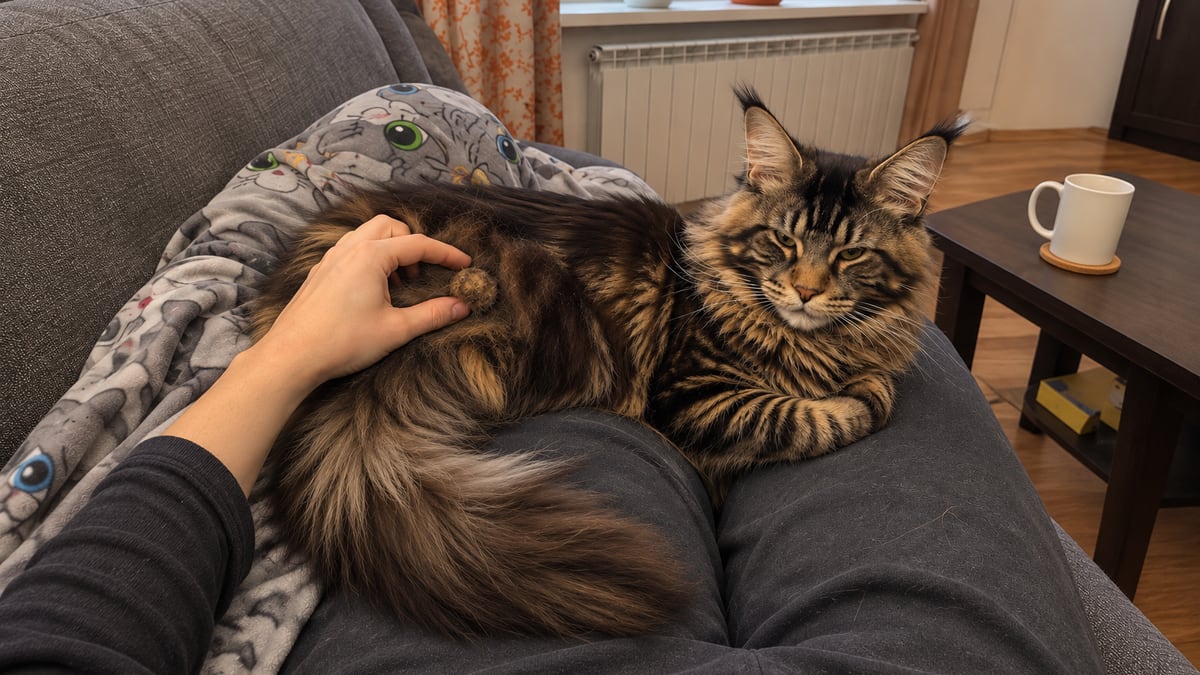
Tease a small, loose knot apart with your fingers or a comb, slowly, working from the root towards the tip, while your cat is relaxed. Don’t use scissors: International Cat Care says that in a really matted coat it’s extremely difficult to see where the skin ends and the hair starts, and you could cut your cat. A mat close to the skin is a job for your vet, who can remove it while your cat is sedated.
Why cats get matted fur
Loose hair is one cause. Cats Protection says the loose hair you brush off a cat can get tangled back into their fur and turn into mats. A long coat is often more than a cat can groom by themselves, it says, and Battersea says medium and long-haired cats are more likely to get matted fur.
Anything that makes washing harder adds to it. A Cats Protection vet, Vanessa Howie, says obesity, arthritis or dental disease can make it difficult for a cat to groom properly, which can lead to poor coat condition, matting and dandruff. Cornell Feline Health Center says older cats groom themselves less effectively than younger ones, sometimes with matted hair, a skin smell and inflammation as a result.
Cat matted fur on the back
The back is where an older or heavier cat stops reaching. PDSA lists matted fur from difficulty grooming among the signs of arthritis, especially in hard-to-reach places such as the back, the back legs and the base of the tail. International Cat Care says that as cats age and become less flexible, you may notice matting over the lower spine and hindquarters.
Weight does the same. Battersea says obese cats are often unable to groom themselves as well as they would like, because their weight affects how flexible they are and how easily they can get to some parts of their body.
So a matted back is worth mentioning to your vet. International Cat Care says grooming less may point to long-term pain from arthritis or dental disease.
Where else mats form: armpits, legs, tummy and bottom
Mats like the places where fur rubs. International Cat Care says knots are common under the armpits and between the hind legs, an area of friction where the skin is very thin and extremely sensitive. Another common place is between the toes and pads.
The RSPCA adds the chest and tummy, behind the ears and the backs of the legs. PDSA calls the armpits, legs, tummy and tail danger zones for matting, and asks owners not to brush only the easy parts, the back and the chest.
Look under the tail too. Battersea says that if you feel mats developing or see messy fur around the bum, groom your cat more often. PDSA says to brush a long-haired cat regularly so matted fur doesn’t form around the bottom, and lists that matted fur among the things that can make a cat constipated. If your cat strains to poo for longer than usual without passing much, PDSA says to contact your vet for advice straight away. It adds that it can be difficult to tell a cat struggling to poo from one struggling to wee.
How to get mats out of cat fur at home, without cutting
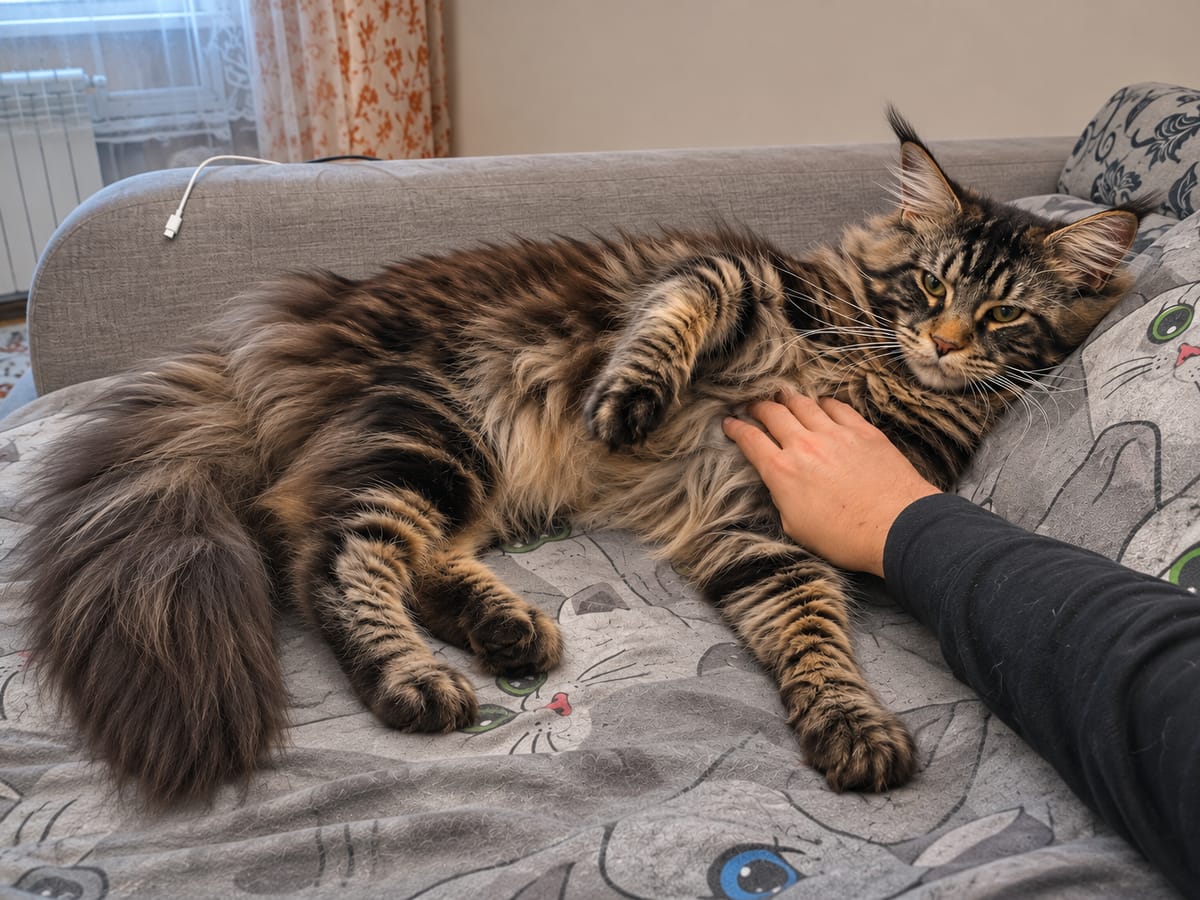
Start with a calm cat. International Cat Care says to choose a time when your cat is relaxed and happy. Have a few treats within reach.
Work on one small knot with your fingers first. International Cat Care says to tease a mat apart gently with your fingers and be patient, working slowly from the root towards the end of the hair.
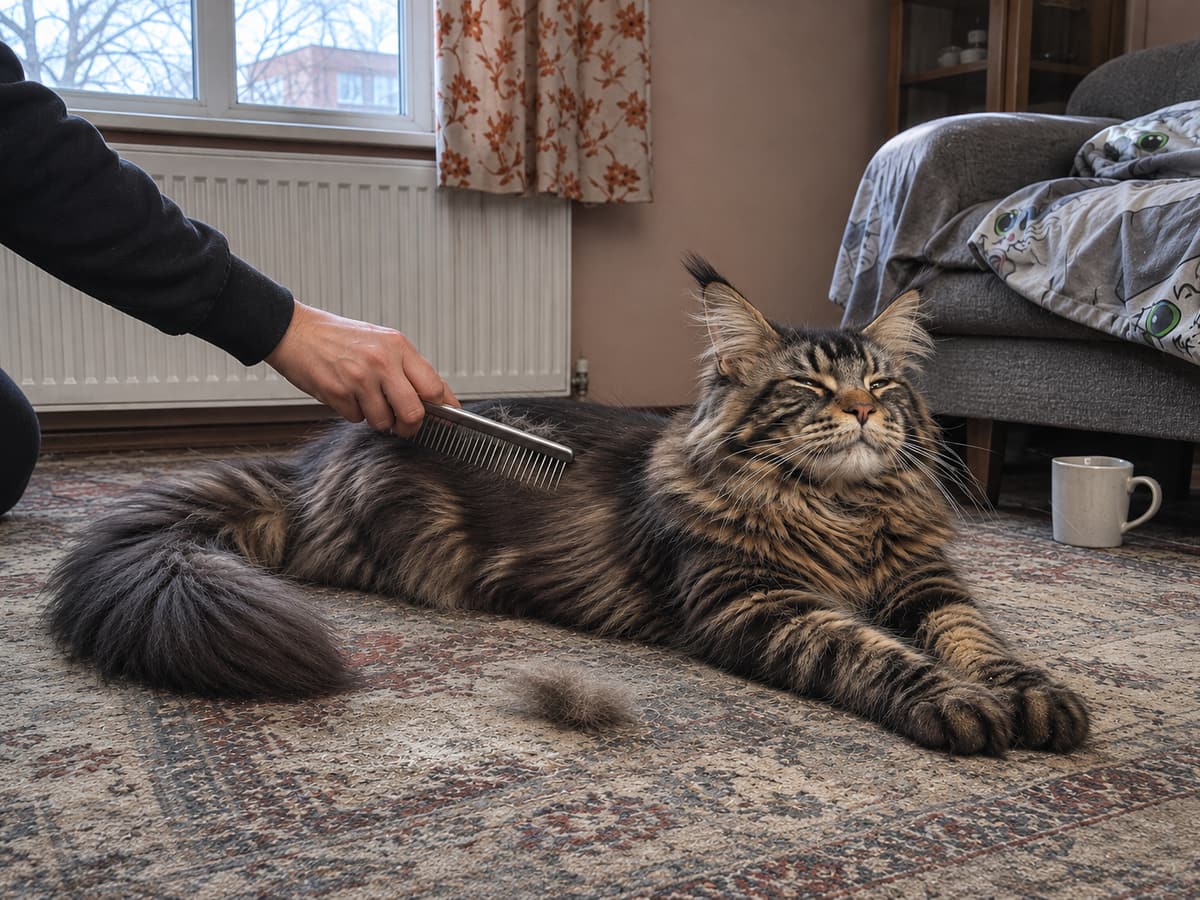
Then the comb. The RSPCA says to tease knots gently with the comb to avoid damaging the skin, and Battersea suggests a comb with teeth close together for untangling knots. The RSPCA also mentions dematting combs, to use instead of cutting matted fur with scissors, and slicker brushes, which help break down mats in long-haired cats.
Stop before your cat does. International Cat Care lists the signs that a cat isn’t comfortable: skin rippling or twitching, the tail swishing or thumping, suddenly freezing, ears flicking or turning backwards, swallowing or licking their lips, growling or hissing. If you see them, stop and try another day. Reward every relaxed moment with praise and treats.
Cat matted fur close to the skin
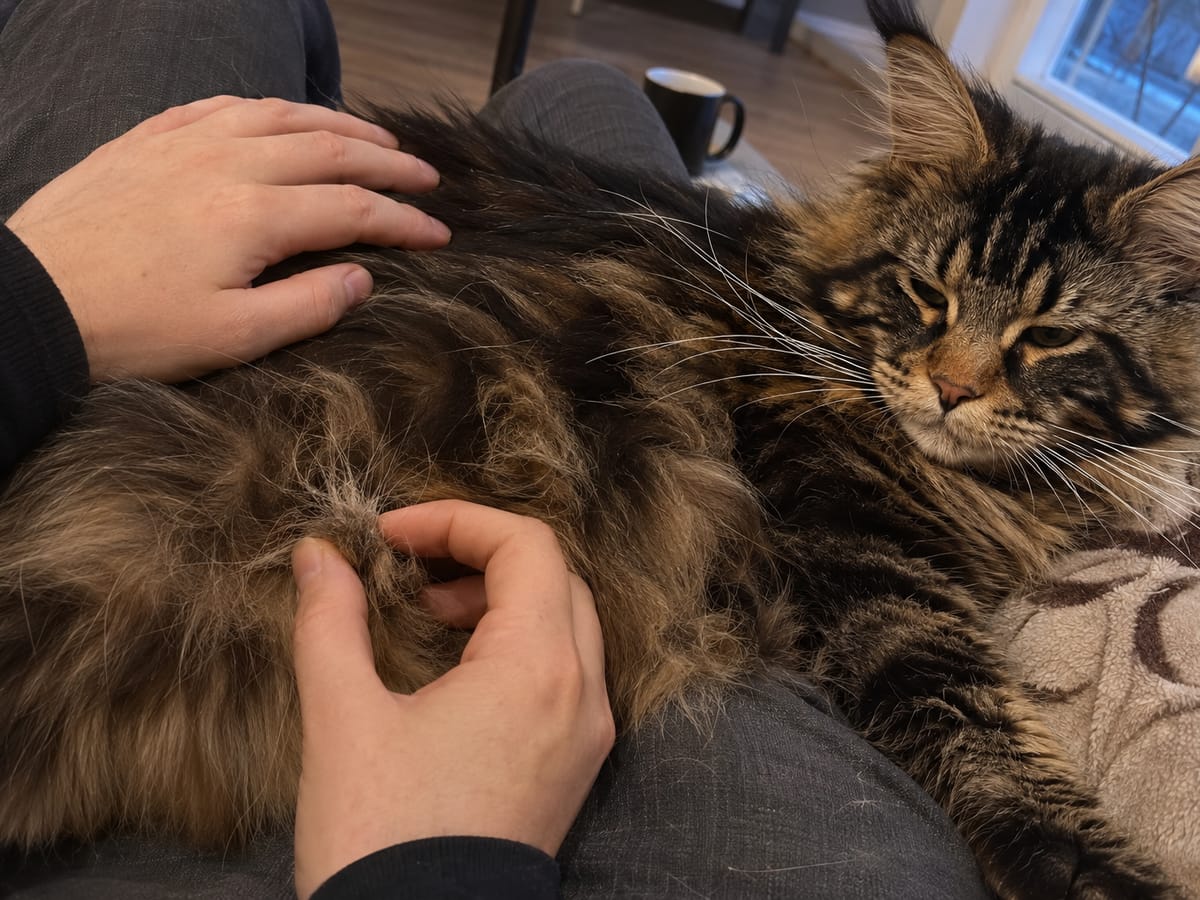
A mat that sits tight against the skin is a different job. Cats Protection goes further: if you spot any mats, it says, don’t try to brush them out yourself, because when the knots have grown close to the skin, brushing them out risks ripping or tearing it.
Cat skin is easy to hurt. International Cat Care says the skin under the armpits and between the hind legs is very thin and extremely sensitive, and Cornell Feline Health Center says an older cat’s skin is thinner and less elastic.
A cat with mats like these isn’t having a nice time either. International Cat Care says being matted can be very uncomfortable. If a knot won’t loosen without pulling, leave it for the vet.
Why you shouldn’t cut mats out with scissors
Because you can’t see the skin. International Cat Care says that once the coat gets really matted, it’s extremely difficult to see where your cat’s skin ends and the hair starts, and you could cut your cat. Cats Protection calls cutting mats out with scissors especially dangerous.
The RSPCA says the same thing: use a dematting comb instead of trying to cut matted fur with scissors, because there’s a risk of cutting your cat’s skin.
When a groomer or the vet should take over
For a mat you can’t tease out, the charities give different advice. PDSA says not to tackle mats at home and to use a reputable groomer, and suggests looking for one who belongs to a trade body such as the Pet Industry Federation. International Cat Care says a professional cat groomer may be able to groom mats out by hand.
Cats Protection says to take a matted cat to a vet, who can give a de-mat haircut while your cat is sedated. It advises against a groomer, who can’t sedate your cat, because a cat who is awake for it will likely feel a lot of pain and stress. International Cat Care says that in many cases severe mats need to be shaved off by the veterinary team, which often requires sedation or a general anaesthetic.
Expect a funny-looking cat for a while. International Cat Care says a severely matted cat will end up with fur only on the tail, head and lower legs until it grows back.
Battersea says to take your cat to the vet for advice if the tummy fur is becoming matted and they aren’t comfortable being brushed there. For an older cat, it says to ask your vet once matting or severe tangling develops.
How to stop mats coming back
Brush little and often. International Cat Care and Cats Protection say long-haired cats need grooming every day, and the RSPCA says many do. PDSA names the Birman, the Persian and the Ragdoll as breeds that need daily brushing. Battersea suggests around two to three times a week for medium and long-haired cats, and more in summer. With daily grooming, International Cat Care says, cats shouldn’t become matted.
Use the right tools. For a longhaired cat, International Cat Care suggests a wide-toothed comb and a rubber grooming pad or mitten. The RSPCA says to use a wide-toothed metal comb and follow the direction the hair grows in. Cats Protection suggests vacuuming up after brushing, so the loose hair doesn’t get tangled back into the coat.
Older cats need more help. PDSA says that as your cat ages and can’t get to the hard-to-reach spots, you may need to brush more often. Battersea says elderly cats can be extra sensitive to grooming, with tender muscles and bony hips and spines, so use a soft bristle brush there.
Keep it short and end well. The RSPCA says short, regular sessions are best, finished with praise and a reward.
Matted fur on a cat: what it can mean
Often it’s just a long coat that needs more help. But Cats Protection says a cat’s skin and coat are good indicators of their general health. If your cat looks in poorer condition and the coat looks thin or matted, or the skin is flaky or thickened, it can be a sign of an underlying health condition, and Cats Protection says to book an appointment with your vet.
Battersea says to take your cat for a vet check-up when you notice a change in their fur or in how they groom. Its examples include grooming more or less often, mats in new areas and grooming that looks uncomfortable. Cats Protection says the same about a cat who suddenly grooms less or more than usual.
What to write down for the vet
Mats build up slowly, so a few notes help you see the pattern. Write down where each mat was, how big it was, whether it came out, and anything else you noticed around the same time: less washing, fewer jumps, a flinch when you touched one spot.
Lapka Care is a diary for notes like these, and it puts everything that matters for the vet into one PDF.
What a month of notes on a matted coat can look like
4 March: a pea-sized knot behind Leo’s left front leg. Teased it out with my fingers on the sofa, two treats.
11 March: the fur at the base of the tail feels felted. Combed the loose part; his tail started swishing, so I stopped.
19 March: the patch on his lower back is flat against the skin now. Didn’t brush it. He jumps onto the windowsill less.
21 March: booked the vet and took these notes along.
The notes show where the mats are, how fast they came back, and what changed at the same time. That gives the vet much more to go on than “his coat looks messy”.
When it doesn’t go to plan
Can I cut mats out of my cat’s fur?
Not with scissors. International Cat Care says that in a really matted coat it’s extremely difficult to see where the skin ends and the hair starts, and you could cut your cat. Cats Protection calls it especially dangerous. Tease small knots out, and take a tight mat to your vet.
Do mats hurt cats?
They can. International Cat Care says a matted cat can be very uncomfortable. Battersea says some cats can develop sores if they aren’t groomed properly, and Cats Protection says brushing out a mat that has grown close to the skin can rip or tear it.
How do I get knots out of my cat’s fur?
Gently, a little at a time. International Cat Care says to tease a knot apart with your fingers, working from the root towards the end of the hair, and the RSPCA says to tease knots with a comb to avoid damaging the skin. Battersea suggests a comb with teeth close together. If the knot sits tight against the skin, leave it for your vet.
Why does my cat have matted fur on the back legs?
The back legs are hard to reach. PDSA lists matted fur in hard-to-reach places, including the back legs, among the signs of arthritis, and the RSPCA names the backs of the legs as a place where tangles tend to form. If your cat seems to have stopped washing there, tell your vet.
What can I do about matted fur around my cat’s bum?
Groom there more often. Battersea says messy fur or mats around the bum are a sign your cat needs more grooming, and PDSA says to brush a long-haired cat regularly so mats don’t form around the bottom. PDSA also lists matted fur there among the causes of constipation, so contact your vet straight away if your cat strains to poo.
Do short-haired cats get mats?
Less often, but they can. Battersea says short-haired cats may need little grooming, if any, but more if you notice tangles forming or the fur looks messy. It adds that short-haired cats who used to groom themselves might need extra help as they get older.
Sources
- International Cat Care — Grooming your cat
- International Cat Care — Special considerations for senior cats
- Cats Protection — Tips for grooming long-haired cats
- Cats Protection — Grooming your cat
- Cats Protection — Skin problems in cats
- Cats Protection — How can I reduce cat dander?
- RSPCA — Grooming your cat
- PDSA — How often should you groom your pet?
- PDSA — Arthritis in cats
- PDSA — Constipation in cats
- Battersea — Cat grooming
- Battersea — Is my cat obese?
- Cornell Feline Health Center — The special needs of the senior cat