
Where to start
Most cats never need it. PDSA says there’s no need to clean your cat’s ears unless your vet has asked you to, only to check them regularly. If your vet has asked, use a cleaner made for cats: a little liquid at the entrance of the ear, a gentle massage at its base, then cotton wool to wipe the entrance. Never a cotton bud. Wax, dirt, redness or a smell means calling the vet before you clean.
Do you need to clean your cat’s ears?
Usually not. PDSA says it’s not necessary to clean your cat’s ears unless your vet has asked you to. What it does ask is that you check them regularly, and contact your vet if you notice wax, dirt, redness, heat or swelling.
Ear trouble isn’t common in cats either. The Cornell Feline Health Center says ear problems in general are uncommon in cats, and that most cats go through life without a serious problem with their ears. Of the problems that do turn up, it says ear mites are a frequent one.
So if your cat’s ears look clean, there is nothing to do. If they look dirty, PDSA’s advice is to contact your vet before cleaning them, because your cat might need medication rather than, or as well as, a clean.
What healthy cat ears look like
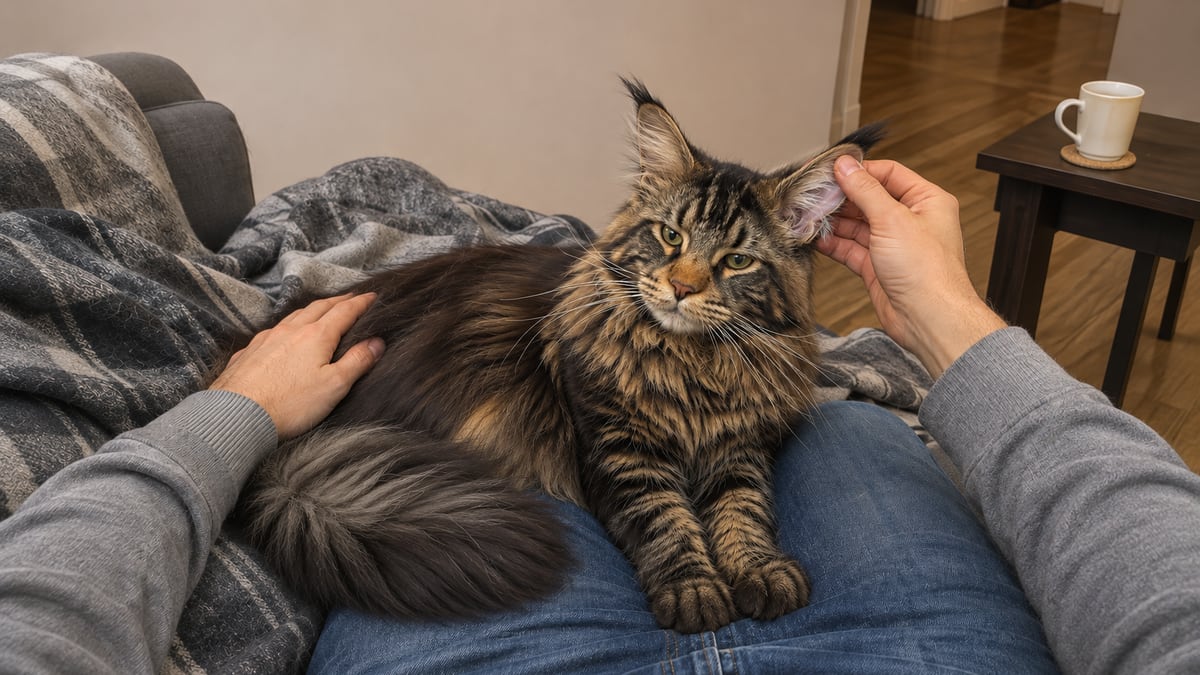
Look, and sniff. PDSA’s home health check says your cat’s ears should be free from a build-up of wax or excessive hair and free from any nasty smells, and the ear flap shouldn’t be swollen. It suggests a nose-to-tail check at least a couple of times a week.
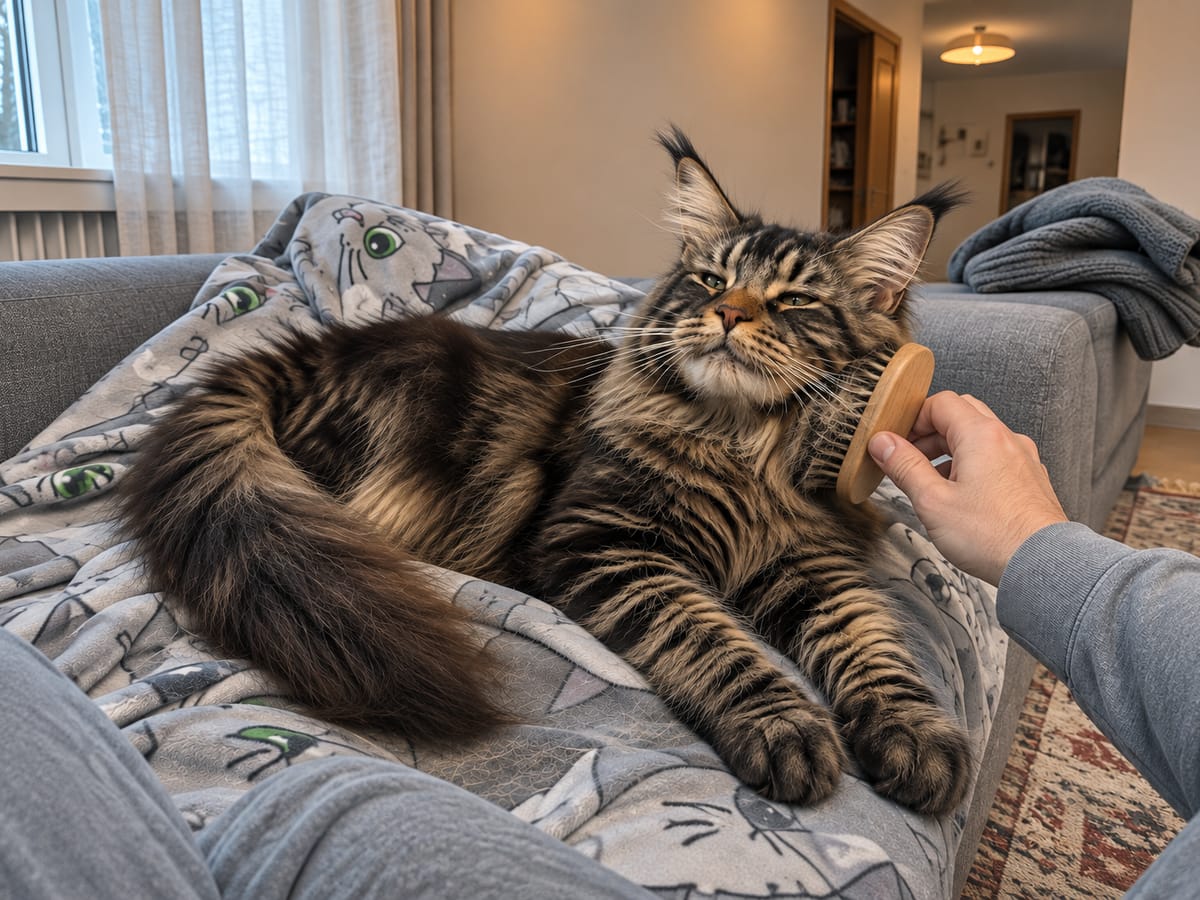
Brushing time works well for it. International Cat Care says a grooming session gives you the chance for a quick check of the ears, eyes and mouth, and to look for fleas, ticks, ear mites or lumps. Battersea suggests the same check for fleas, ticks, ear mites and lumps.
Take it slowly. PDSA says to stop if your cat is worried or stressed, and to use treats and praise during the check and afterwards.
Cat ear wax colour: what it can tell you
None of the pages we read gives a colour for healthy wax. What they describe is an ear without a build-up. PDSA’s grooming advice says that if the ears start to show a build-up of wax or hair, or get smelly or itchy, you call your vet before trying to clean them.
Dark wax is worth a call. PDSA says ear mites tend to affect both ears and bring head shaking, a smell, red and sore ears, and ear wax that is often dark brown. The Cornell Feline Health Center describes what mites leave in the ear canal as a dark, gooey, foul-smelling build-up of wax and debris.
Blood, discharge or a lot of wax belong on the same list. PDSA counts discharge, dirt, excess wax or blood from the ear among the signs of an ear infection.
Which one it is, the vet finds out. PDSA says they use an otoscope to look deep into your cat’s ear and then decide on a treatment plan.
How to clean cat ears at home, step by step
This is for when your vet has asked you to. PDSA says to check with them first, because a cat with an infection, ear mites or a problem with the eardrum might need medication before any cleaning.
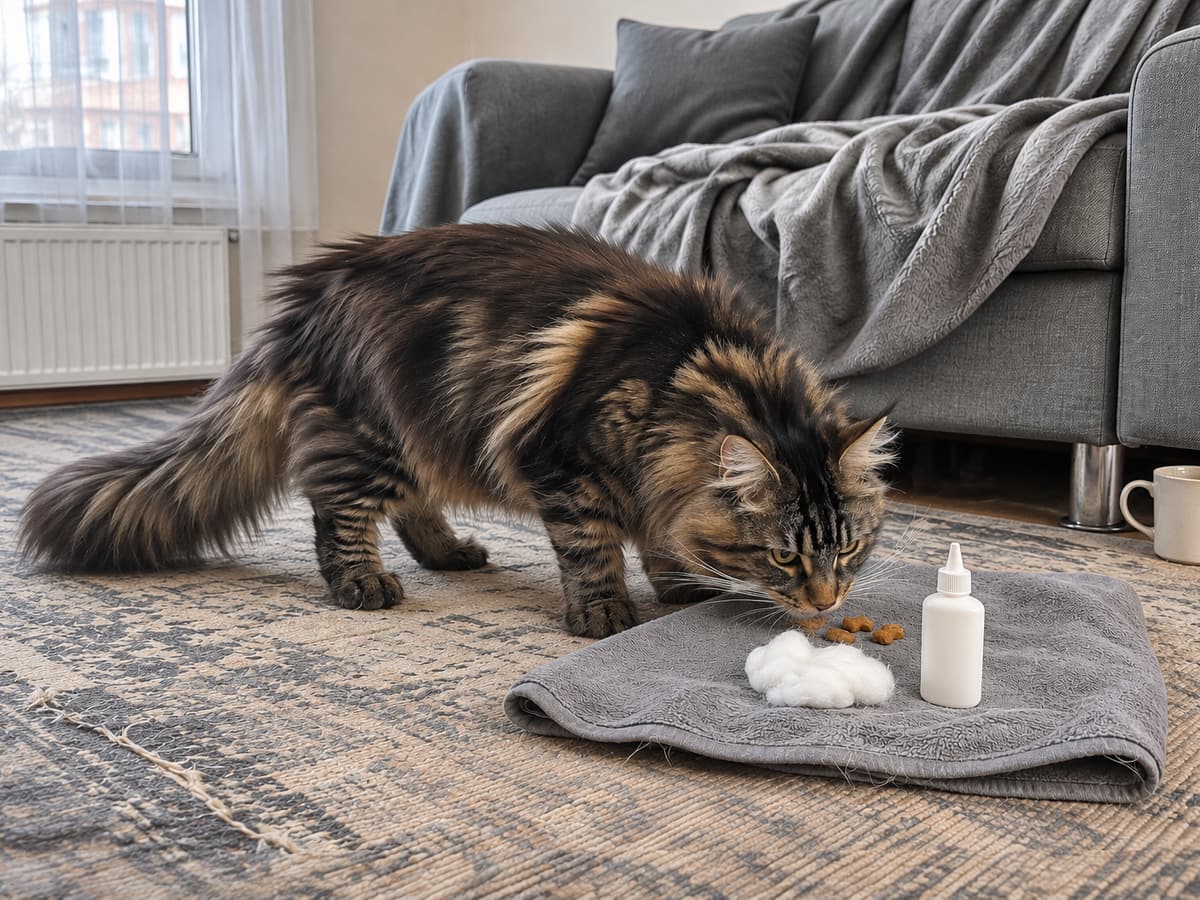
Get the kit ready: a non-slip surface such as a bath mat or towel, an ear cleaner for cats, cotton wool, gloves and your cat’s favourite treats.
Then follow PDSA’s steps. Ask someone to hold your cat gently on the mat; on your own, sit behind your cat with them between your legs. Put the nozzle of the bottle at the entrance of the ear, squeeze out some liquid, and gently massage the base of the ear to loosen dirt and wax.
Let your cat shake their head, and mind the flying liquid. Wipe the dirt from the entrance of the ear with cotton wool. Finish with a treat, which PDSA says makes the whole thing less stressful for your cat.
How to clean cat ears without solution
A healthy ear needs nothing, with a cleaner or without. The pages we read describe no dry way to clean inside the ear. The only step without liquid in PDSA’s method is the last one: wiping dirt from the entrance with cotton wool.
Olive oil is the one alternative PDSA talks about. It says there isn’t any harm in it, but it’s messy and tends to be harder to put in than a cat-safe cleaner. You need a syringe or an ear dropper, and the oil has to be warmed to your cat’s body temperature, no hotter.
Don’t borrow the dog’s bottle. PDSA says cats’ ears are very sensitive, so always use a cleaner made for cats, with only ingredients suitable for them.
Leave shop remedies for mites on the shelf too. PDSA says products sold without a prescription are usually less effective than a licensed one from your vet. Household flea spray must never go on an animal: it often contains permethrin, which PDSA says is highly toxic to cats.
Can you clean cat ears with a Q-tip?
No. PDSA says never to use cotton buds, because they can push dirt further in, and pop the eardrum if pushed too far.
The eardrum sits deeper than it looks. The Cornell Feline Health Center describes the outer ear as the ear flap plus the ear canal, a narrow tube, and places the eardrum beyond it, in the middle ear.
So the only part you touch is the entrance you can see. If your cat keeps scratching an ear, Cornell says not to probe into it to find the cause, and to see your vet as soon as possible.
How often should you clean a cat’s ears?
For a healthy cat, never on a schedule. PDSA says there is no need to clean your cat’s ears unless your vet has told you to. Check them regularly instead, and speak to your vet if you see dirt, wax or redness.
During treatment it can be every day. For ear mites, PDSA says your vet is likely to prescribe a cleaner to use at home, and cleaning once a day helps clear out the excess wax and debris. Your vet tells you for how long.
Some cats simply get dirty ears. If yours is one of them, PDSA says you may need to clean them from time to time, and to ask your vet or veterinary nurse to show you how.
If your cat won’t let you
Don’t hold on through a struggle. International Cat Care says a cat should never be groomed or stroked by force, or without the option to escape if they find it stressful.
Its list of signs that a cat isn’t comfortable includes skin rippling or twitching, the tail swishing or thumping, ears flicking or rotating backwards, licking the lips and shaking the head. If you see them, stop and try another day.
A cat who suddenly won’t let you near one ear may be sore. PDSA lists becoming head shy, or not wanting to be stroked, among the signs of a painful ear. And if your vet asked you to clean the ears and your cat won’t allow it, PDSA says to get back in touch with the vet.
When to stop and see the vet
Call your vet as soon as you notice a problem. PDSA says many causes of ear trouble in cats are extremely painful, and left untreated they can cause permanent damage.
The signs PDSA lists are itchy ears, hot and swollen ears, a painful ear, a smell, head shaking and face rubbing, a swollen, droopy ear flap, and discharge, dirt, wax or blood from the ear.
A head tilt, loss of balance or flickering eye movements can mean a more serious problem in the middle or inner ear, PDSA says. The Cornell Feline Health Center says an outer-ear infection that isn’t treated can spread there, and in the worst cases affect hearing and balance.
Ring the vet immediately if both ears suddenly become very swollen, red and puffy, with swelling elsewhere too, such as the face, eyes, nose or feet. PDSA says this could be the beginning of an allergic reaction.
Ear mites spread. PDSA says any cat can catch them but they are most common in kittens, and that the other cats and dogs in your home will need treating too. Cornell says to get vet care without delay if you suspect them.
What to write down for the vet
Note which ear it is, what you saw at the entrance, whether it smells, and when your cat shakes their head or scratches. A dated line such as “4 November: left ear only, dark wax, shook her head all evening” tells the vet more than “ears a bit dirty lately”.
Keep the notes going after treatment. PDSA says to watch for the signs of ear mites coming back and to contact your vet if you are concerned. Lapka Care is a diary for notes like these, and it puts everything that matters for the vet into one PDF.
What a few days of ear notes can look like
3 November: Pip shakes her head a lot this evening and keeps scratching her left ear. Dark brown wax at the entrance, and a sour smell. The right ear looks clean.
4 November: she pulls her head away when I touch the left ear. Didn’t clean it. Vet booked for tomorrow morning.
The notes say which ear, what the wax looks and smells like, and that the ear hurts to touch. The vet has all of it before they look inside.
When it doesn’t go to plan
Can I use olive oil to clean my cat’s ears?
You can, but it’s the harder option. PDSA says there isn’t any harm in olive oil, but it’s messy, needs a syringe or an ear dropper, and has to be warmed to your cat’s body temperature, no hotter. A cleaner made for cats is easier. Either way, clean only if your vet has asked you to.
Can I use my dog’s ear cleaner on my cat?
No. PDSA says cats’ ears are very sensitive, so use a cleaner made for cats, which only contains ingredients suitable for them.
Will cleaning my cat’s ears get rid of ear mites?
Not on its own. PDSA says cleaning helps remove some mites, but your cat needs medication from the vet to treat them completely. Mites can survive in the home for months, so PDSA also says to hot-wash your cat’s bedding and grooming kit.
My vet gave us a cleaner and drops. Which goes first?
The cleaner. PDSA says to clean your cat’s ears first, then put in the medicated drops about 15 minutes later. If your vet told you something different, follow your vet.
Do hairless cats need their ears cleaned?
They can. Battersea says hairless breeds such as the Sphynx need regular baths, and that it’s important to clean the places where dirt and bacteria build up, the ears among them. Battersea adds that your vet can tell you how often to bathe a hairless cat and which products to use.
Should I clean my kitten’s ears?
Only if your vet asks, the same as for an adult cat. Do look at them, though. PDSA says ear mites are most common in kittens, so dark brown wax, head shaking or scratching is a reason to see the vet.
Sources
- PDSA — How to clean your cat’s ears
- PDSA — Ear problems in cats: an overview
- PDSA — Ear infections in cats
- PDSA — Ear mites in cats and kittens
- PDSA — How to give your pet a health check at home
- PDSA — How often should you groom your pet?
- International Cat Care — Grooming your cat
- Battersea — How to groom your cat
- Cornell Feline Health Center — Feline ear disorders
- Cornell Feline Health Center — Otitis
- Cornell Feline Health Center — Ear mites: tiny critters that can pose a major threat